Understanding robots can be a complex task, given their diverse features and functions. With a wide array of sizes, shapes, and capabilities, categorizing them may seem daunting. However, many robots share common traits that allow us to classify them into distinct groups. Here, we present five primary categories of robots that highlight their unique roles and applications.
1. Aerospace Robots
Aerospace robots encompass a wide range of flying machines and space exploration devices. This category includes innovative creations such as the SmartBird, which mimics the flight of a bird, and the Raven, a fixed-wing drone designed for aerial reconnaissance. Space exploration is also represented by robots like the Curiosity and Perseverance Mars rovers, as well as the Ingenuity Mars helicopter. Humanoid robots like NASA's Robonaut and GITAI's G1 are being developed to assist in building future space stations and lunar habitats.
2. Aquatic Robots
Aquatic robots thrive in water, equipped to gather environmental data, conduct surveillance, and inspect underwater structures. These robots can operate on the surface or dive into the depths of the ocean. Notable examples include Saildrone, which collects oceanographic data, and the ACM-R5H snakebot, designed for underwater exploration. The Aquanaut is a remarkable underwater transformer that can shift between submersible and humanoid forms, showcasing the versatility of aquatic robotics.
3. Autonomous Vehicles
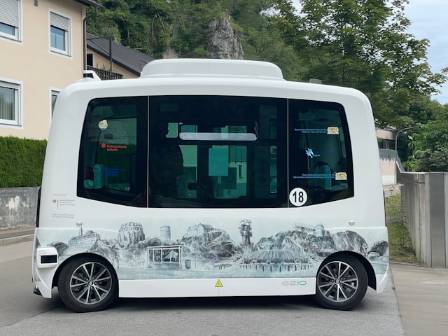
Autonomous vehicles represent a significant leap in transportation technology. These robotic cars are outfitted with advanced sensors, cameras, lidar, and GPS systems that enable them to navigate and drive without human intervention. Pioneering models like Boss and Stanley emerged from DARPA's autonomous vehicle challenges, while Google's self-driving car later evolved into Waymo. Today, robotaxis are becoming commonplace in cities like Phoenix and San Francisco, with companies like Locomation working on fully autonomous trucks.
4. Consumer Robots
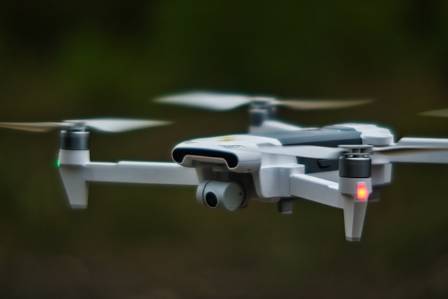
Consumer robots are designed for everyday use, bringing convenience and entertainment into our lives. One of the most recognizable examples is the Roomba, a robotic vacuum that autonomously cleans floors. Other consumer robots include gardening helpers like the Tertill, robotic pets such as Sony's Aibo, and AI companions like LOVOT and Vector. The market also features an expanding range of drones, 3D printers, and robotics kits catering to hobbyists and enthusiasts alike.
5. Delivery Robots
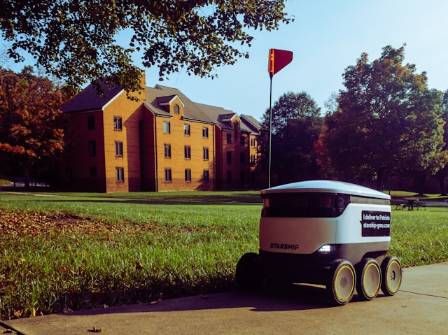
Delivery robots are revolutionizing the way we receive goods by autonomously transporting items such as food, groceries, and medical supplies. Equipped with cameras and GPS, these robots navigate streets and sidewalks to deliver packages directly to doorsteps. Starship robots are known for their ability to traverse urban environments, while Relay robots are adept at delivering items within buildings, including hotels. Zipline stands out with its drones that parachute medical supplies to hospitals, demonstrating the life-saving potential of delivery robotics.
In summary, the world of robots is vast and varied, with each category serving specific purposes that enhance our daily lives and push the boundaries of technology. Whether in the air, on land, or underwater, robots are transforming industries and shaping the future.