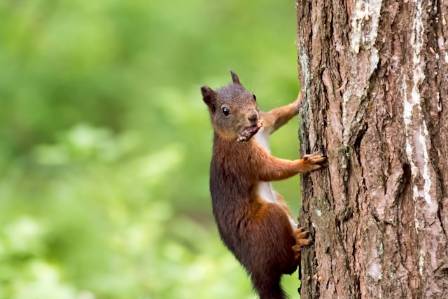
Amidst the canopy of Eurasian forests, a flash of russet fur and a twitching tail signal the presence of one of nature's most engaging and ecologically vital creatures: the red squirrel. Far more than just a charming resident of the treetops, this agile mammal plays a crucial role in the health and regeneration of its woodland home, demonstrating how a single species can shape an entire ecosystem.
A Life Lived in the Treetops
The Eurasian red squirrel is a true arboreal specialist, supremely adapted for life above the ground. Its agility, small size, and light weight allow it to navigate the thinnest of branches with breathtaking grace. This elevated existence provides crucial protection from ground-based predators, making the canopy both its home and its sanctuary. This preference for life among the leaves distinguishes it from other squirrel species and defines its very existence.
The Nut-Driven Daily Cycle
Food, particularly nuts, dominates the red squirrel's daily rhythm. Their mornings and evenings are dedicated to frantic collecting and eating, driven by an insatiable appetite for these energy-rich treasures. They construct messy twig nests known as dreys at the forks of branches, where they retreat during the midday heat of spring and summer. While typically solitary resters, they occasionally break their shy nature during winter's chill, huddling together in shared dreys for warmth.
The Unintentional Forester
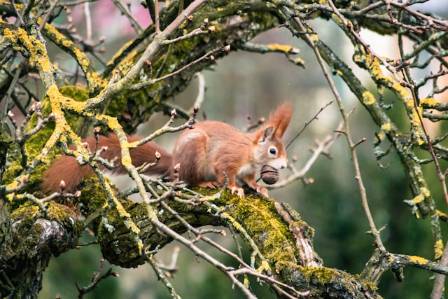
Perhaps the squirrel's most remarkable contribution lies in its forgetfulness. As prolific seed gatherers and buriers, red squirrels inevitably forget some of their hidden stashes. These abandoned seeds, often accompanied by natural fertilizer in the form of droppings, later germinate and grow into new trees. This makes the red squirrel a direct and effective ecosystem engineer, though one completely unaware of its planting prowess.
The Harsh Reality of Survival
Life for a red squirrel is fraught with challenges from the very beginning. Nature proves brutally indifferent to their struggle, with up to 85% of juveniles failing to survive their first winter. Their survival depends heavily on their parents' ability to remember seed storage locations and the overall abundance of food. Even those who clear this initial hurdle face continued adversity, with each subsequent winter carrying a fifty percent mortality risk.
Unexpected Winter Allies
In their constant battle for survival, red squirrels have found unexpected real estate agents: woodpeckers. The hollows carved into trees by these birds provide perfect ready-made shelters for squirrels seeking protection from winter's harsh conditions. This energy-saving strategy of occupying abandoned woodpecker holes demonstrates the squirrel's adaptability and improves its chances of surviving the coldest months.
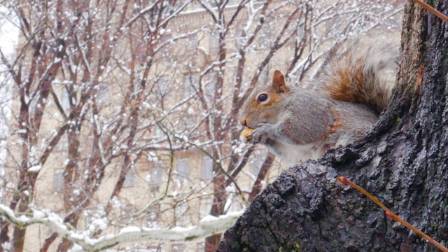
The red squirrel's story is one of delightful contradiction—a creature both nimble acrobat and forgetful gardener, solitary rester and occasional cuddler, struggling survivor and vital ecosystem engineer. Their continued presence in Eurasian forests ensures the health and regeneration of the woodlands they call home, reminding us that even the smallest creatures can play the most significant roles in nature's complex tapestry.