Bridges stand as magnificent testaments to human ingenuity, serving not just as practical crossings but as breathtaking works of art that transform cityscapes. These architectural masterpieces combine structural innovation with aesthetic beauty, becoming enduring symbols of their locations and sources of local pride. From ancient stone constructions to modern engineering marvels, each bridge represents a unique chapter in the story of human civilization and technological advancement.
Golden Gate Bridge (San Francisco, USA)
This iconic suspension bridge spans the Golden Gate strait with its instantly recognizable International Orange towers. When completed in 1937, its 4,200-foot main span was the longest in the world. The bridge's art deco styling and frequent shroud of San Francisco fog create one of the most photographed vistas globally. Engineers designed the structure to withstand powerful Pacific winds and potential seismic activity through groundbreaking techniques that influenced bridge construction worldwide.
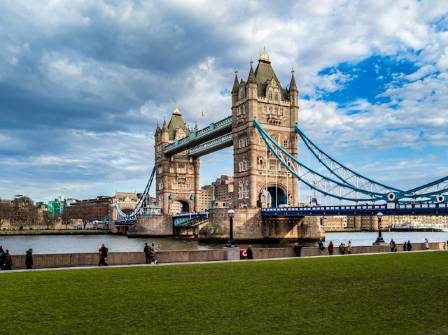
Tower Bridge (London, England)
London's famous combined bascule and suspension bridge showcases exquisite Victorian Gothic detailing alongside 19th century engineering prowess. Its twin towers contain the sophisticated machinery that lifts the massive bascules to accommodate river traffic. The high-level walkways, originally intended for pedestrians when the bridge opened in 1894, now serve as a museum with panoramic views of the Thames. The bridge's distinctive blue and white color scheme dates from its 1977 renovation for Queen Elizabeth II's Silver Jubilee.
Sydney Harbour Bridge (Sydney, Australia)
Affectionately nicknamed "The Coathanger" for its distinctive arch shape, this steel through arch bridge dominates Sydney's spectacular harbor. Completed in 1932, its 1,650-foot span remains the world's largest steel arch bridge. The bridge's construction during the Great Depression provided crucial employment, while its current New Year's Eve fireworks displays have become internationally renowned spectacles. Adventurous visitors can climb the arch for unparalleled views of the Opera House and harbor.
Ponte Vecchio (Florence, Italy)
This medieval segmental arch bridge over the Arno River is renowned for the shops built along its length - a tradition dating to the 13th century. Originally occupied by butchers, the bridge now houses prestigious jewelers and art dealers beneath the Vasari Corridor. Miraculously spared during World War II, its three elegant arches showcase Renaissance engineering at its finest. The bridge's design influenced European bridge construction for centuries.
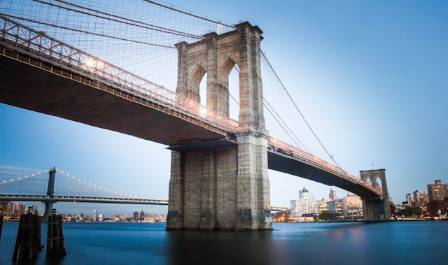
Brooklyn Bridge (New York City, USA)
When it opened in 1883, this hybrid cable-stayed/suspension bridge was the first to use steel-wire suspension cables. Its neo-Gothic granite towers and intricate web of supporting cables created an instant New York icon. The elevated pedestrian walkway offers stunning views of Lower Manhattan while revealing the bridge's revolutionary construction details. At completion, it was the longest suspension bridge in the world and remains an enduring symbol of American innovation.
Charles Bridge (Prague, Czech Republic)
This 14th century stone bridge across the Vltava River features a spectacular gallery of 30 Baroque statues lining its balustrade. The bridge's 16 arches connect two defensive towers, with the Old Town Bridge Tower considered among Europe's finest Gothic structures. Legend claims builders strengthened the mortar with egg yolks, while modern testing confirms the bridge's remarkable durability. The pedestrian-only crossing offers magical views of Prague Castle.
Millau Viaduct (Millau, France)
Soaring 1,125 feet above the Tarn River valley, this cable-stayed bridge holds the record as the world's tallest vehicular bridge. Its elegant, streamlined design appears to float above the clouds when valley fog rolls in. The bridge's construction set new standards for prefabrication and precision engineering, with its seven slender piers supporting a roadway that seems to defy gravity. The viaduct has become as much a tourist attraction as a vital transportation link.
Rialto Bridge (Venice, Italy)
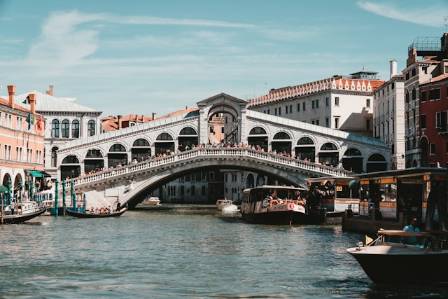
As the oldest bridge spanning Venice's Grand Canal, this 16th century stone arch structure represented an engineering breakthrough of the Renaissance. Its innovative single span design overcame the challenges of building in Venice's unstable lagoon environment. The bridge's arcades house traditional shops while its central portico has served as a Venetian meeting point for centuries. The Rialto remains one of Italy's most recognizable landmarks.
Akashi Kaikyō Bridge (Kobe, Japan)
Currently holding the title of world's longest suspension bridge, this engineering marvel crosses the Akashi Strait with a staggering central span of 6,532 feet. The bridge incorporates advanced seismic protection systems, having been strengthened after experiencing the 1995 Kobe earthquake during construction. Its sophisticated illumination system creates dazzling nighttime displays visible for miles. The bridge's construction pushed suspension bridge technology to new limits.
These extraordinary bridges demonstrate how infrastructure can transcend mere functionality to become cultural icons and artistic statements. Each structure reflects the technological capabilities and aesthetic values of its era while solving unique geographical challenges. From medieval stone arches to record-breaking modern spans, these bridges continue to inspire awe while serving as vital connections between communities across waterways and valleys worldwide.
Their enduring popularity as tourist destinations and photographic subjects proves that great bridges capture the public imagination as much as they serve practical purposes. Many have become such integral parts of their city's identity that imagining these urban landscapes without their iconic bridges seems impossible. As engineering advances continue, new bridges will undoubtedly join this list of legendary spans, but these timeless structures will always represent the pinnacle of bridge-building achievement in their respective eras. They stand not just as crossings, but as monuments to human creativity and perseverance.