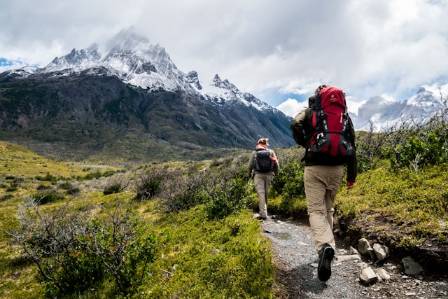
Hiking offers an incredible way to connect with nature while challenging yourself physically. Whether you're planning a short day hike or a multi-day trek, proper preparation is essential for both enjoyment and safety. This comprehensive guide covers all the crucial aspects you need to consider before hitting the trails.
Choose Appropriate Footwear
Your hiking experience largely depends on having the right footwear. Invest in sturdy, well-fitting hiking boots or shoes with excellent traction and ankle support. Break them in thoroughly before your hike to prevent blisters. Consider the terrain - waterproof boots for wet conditions, lightweight trail runners for well-maintained paths, and mountaineering boots for technical terrain.
Dress in Layers for Changing Conditions
Mountain weather can be unpredictable. The layering system allows you to adjust to temperature fluctuations. Start with a moisture-wicking base layer, add an insulating mid-layer like fleece or down, and top with a waterproof/windproof shell. Avoid cotton as it retains moisture and can lead to hypothermia when wet.
Pack the Ten Essentials
Never hit the trail without these critical items:
- Navigation tools (map, compass, GPS)
- Sun protection (sunglasses, sunscreen, hat)
- Extra clothing
- Illumination (headlamp with extra batteries)
- First aid supplies
- Fire starter (matches/lighter)
- Repair kit and tools
- Extra food
- Extra water (plus purification method)
- Emergency shelter
Hydration and Nutrition
Stay ahead of dehydration by drinking regularly, even when not thirsty. Carry more water than you think you'll need and know where to find water sources along your route. Pack high-energy, lightweight snacks like nuts, jerky, and energy bars. For longer hikes, include electrolyte replacements to prevent cramping.
Understand Your Physical Limits
Be realistic about your fitness level when choosing a hike. Consider distance, elevation gain, and technical difficulty. Beginners should start with shorter, easier trails and gradually increase difficulty. Remember that altitude can significantly impact your performance if you're not acclimated.

Check Weather Conditions
Always research current and forecasted weather for your hiking area. Be prepared to postpone or alter your plans if dangerous conditions are predicted. Pay special attention to potential thunderstorms in alpine areas or extreme heat in desert regions.
Practice Leave No Trace Principles
Preserve the wilderness by following these guidelines:
- Plan ahead and prepare
- Travel and camp on durable surfaces
- Dispose of waste properly
- Leave what you find
- Minimize campfire impacts
- Respect wildlife
- Be considerate of other visitors
Share Your Itinerary
Always tell someone your detailed hiking plans including:
- Exact route and trailhead
- Expected return time
- Vehicle description and license plate
- Emergency contacts
Set a check-in time so they can alert authorities if you don't return as planned.
Maintain a Sustainable Pace
Hike at a comfortable, steady rhythm that you can maintain all day. Take regular short breaks (5-10 minutes every hour) to rest and refuel. In high altitude areas, go slower to allow your body to adjust to decreased oxygen levels.
Be Prepared for Emergencies
Carry emergency supplies including:
- Whistle (three blasts is the universal distress signal)
- Signal mirror
- Fully charged phone (though service may be unreliable)
- Emergency blanket or bivy sack
- Basic first aid knowledge
Navigation Skills
Don't rely solely on technology. Learn to use a map and compass as GPS devices can fail. Study your route beforehand and identify key landmarks. Pay attention to trail markers and your surroundings to avoid getting lost.

Wildlife Awareness
Research potential wildlife encounters in your hiking area. Store food properly in bear country, know how to react to different animals, and keep a safe distance from all wildlife. Carry bear spray where appropriate and know how to use it.
Hiking is one of the most rewarding outdoor activities, offering physical challenge, mental rejuvenation, and breathtaking scenery. By following these comprehensive guidelines, you'll be prepared for safe and enjoyable adventures in the wilderness. Remember that preparation is the key to success - the more effort you put into planning, the more you'll get out of your hiking experiences. Whether you're exploring local trails or embarking on epic backcountry journeys, these principles will help ensure you return home with wonderful memories and a desire for your next outdoor adventure.