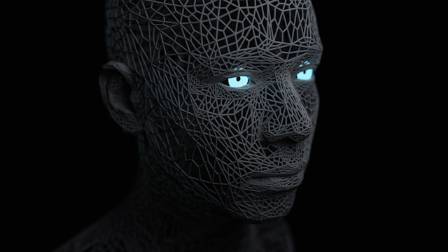
The combination of artificial intelligence, computational modeling, and simulation has significantly improved the ability to test “what-if” scenarios during product development across many industries. A central technology enabling this is Digital Human Modelling (DHM), which uses computer-generated representations of humans with realistic physical traits and behavioral characteristics.
Digital human models are now used to support research and design in fields such as automotive engineering, aerospace, fashion, and healthcare. Although the concept has existed for decades, its applications continue to expand and evolve with advances in computing power and AI.
What Makes Digital Human Modelling Important?
“Digital Human Modelling uses computational systems to recreate and simulate the human body in detail,” explains Professor Sofia Scataglini, a biomedical engineering specialist in human modeling and simulation.
These virtual human representations can be linked with other digital systems to evaluate how people interact with products, environments, or workplaces. This helps designers understand usability and performance before anything is physically built.
One of the most promising developments is the use of 4D scanning technology. Unlike traditional scanning, it captures not only body shape but also movement over time. This allows researchers to analyze dynamic activities such as walking patterns, posture changes, and physical tasks in a non-invasive way.
Such models can also be used in virtual environments for personalized training, rehabilitation, and simulation-based learning. When combined with AI, they enable predictive modeling that may support medical decisions and patient care planning.
Expanding Applications in Technology and Healthcare
Digital human models are increasingly used beyond engineering. In healthcare, they can help simulate musculoskeletal behavior for research purposes. In software and user-interface design, they improve accessibility by modeling how different users might interact with a system.
They are also being explored in areas such as intelligent assistants, medical devices, and conversational systems like chatbots. In these cases, virtual human representations help create more natural and intuitive interactions between people and technology.
Human-Centered Design and Its Role
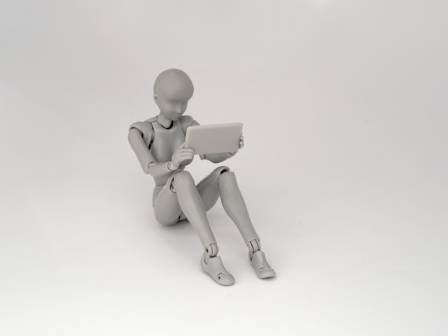
Because DHM is often used in systems that directly involve people, human-centered design becomes essential. This approach focuses on ensuring that products and services are designed around real human needs, abilities, and limitations.
By simulating different body types, ages, and physical conditions, DHM helps designers identify potential usability issues early in the development process. For example, elderly users may face difficulties with certain devices, and digital modeling can reveal these challenges before the product reaches the market.
This approach can also lead to more inclusive technologies. For instance, future systems could include digital assistants modeled after familiar human figures, paired with natural voice interactions, making technology easier to understand and emotionally more comfortable to use.
The Need for Standardization
As DHM becomes more widely adopted, establishing consistent standards is critical. Standardization ensures that these systems are safe, reliable, and compatible across different industries such as healthcare, manufacturing, and consumer technology.
Organizations such as the International Electrotechnical Commission (IEC) and the International Organization for Standardization (ISO) play a key role in developing these frameworks. Their technical committees help define rules for emerging technologies, including the Internet of Things, ensuring interoperability and safety.
Professor Scataglini is actively involved in these international standardization efforts, contributing through national, European, and global organizations. She also organizes an annual international conference on Digital Human Modelling and has published influential research, including a recent book focused on human-centered design in healthcare innovation.
Her contributions to the field have been recognized with an award for excellence in scientific and technological research.