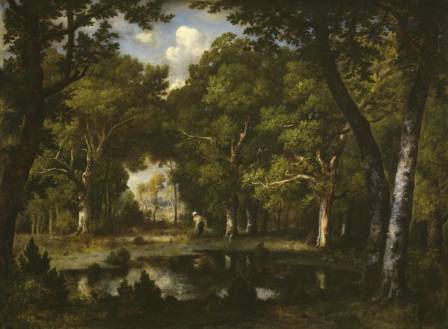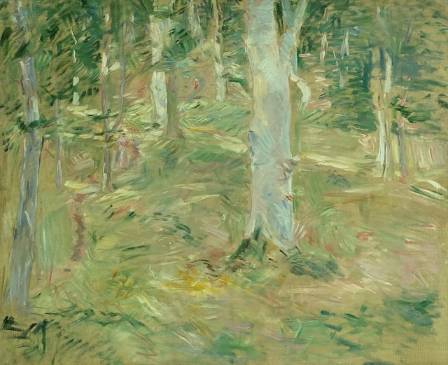
Step into the transcendental realm of primeval woodlands, where the boundaries between the natural world and artistic expression blur to produce captivating landscapes on canvas. This exploration into the genre of forest painting reveals the underlying secrets and varied creative perspectives embedded within these woodland scenes. These ancient groves have historically served as a profound source of fascination and creativity. Whether capturing the fiery palette of autumn or the rhythmic play of light through a dense canopy, every stroke of the brush seeks to immortalize the delicate splendor of nature’s greatest work.
The Historical Evolution and Importance of Woodland Art
The tradition of depicting forests stretches back through the centuries, with the allure of these wild spaces captivating creators across different eras. During the early Renaissance, masters like Titian and Albrecht Altdorfer used the deep woods as a mystical backdrop for mythological and religious narratives. Their work did more than demonstrate technical prowess; it communicated a profound sense of awe and sacred respect for the environment.
With the advent of the Romantic era, the focus shifted toward the spiritual and emotional resonance of the wilderness. Painters such as John Constable and Caspar David Friedrich pursued the "sublime," portraying the forest as a manifestation of the untamable and powerful forces of nature. In their hands, the woods became a powerful symbol of raw, uncontrolled beauty that stirred the souls of all who viewed them.
Renowned Masters of the Sylvan Landscape
Several legendary figures in art history have defined the forest genre with their unique visions. Claude Monet, the French Impressionist, produced remarkable works centered on the Forest of Fontainebleau. His paintings are celebrated for their ability to seize the fleeting quality of light and the atmospheric shifts of the outdoors. Through vibrant colors and fluid brushwork, Monet invites the audience to physically feel the environment.
Conversely, the Dutch painter Jacob van Ruisdael is remembered for his highly detailed and structured landscapes. His compositions often feature immense, dense thickets that evoke a feeling of profound stillness and peace. Ruisdael’s mastery of the interplay between brightness and shadow provides a level of depth and realism that remains breathtaking to the modern observer.
Diverse Methodologies and Creative Styles
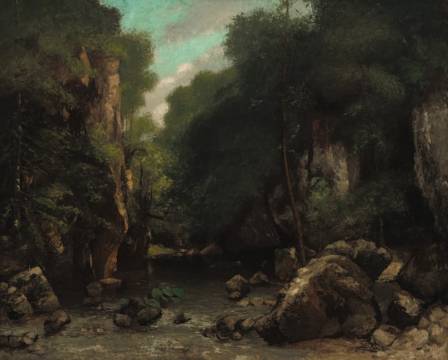
Forestry art encompasses a vast spectrum of techniques, each molding the mood and visual impact of the piece. The Impressionists sought to document the "feeling" of the woods rather than a perfect replica, utilizing a subjective approach characterized by energetic movements and bold hues. Their goal was to translate the essence of the atmosphere onto the canvas.
In contrast, Realists like Gustave Courbet emphasized surgical precision. They meticulously rendered the textures of bark, the specific anatomy of leaves, and the subtle shifts in color found in the undergrowth. By focusing on these minute details, Realist painters intended to transport the viewer directly into the heart of the wilderness, making the experience feel tangible and authentic.
Meaning and Symbolic Layers in Forest Imagery
Beyond their aesthetic value, paintings of the woods are frequently rich with metaphorical weight. The forest itself often serves as a symbol for the cyclical nature of existence—birth, growth, and decay—or the enduring bond between humanity and the Earth. Specific elements within the frame can also hold particular significance.
For instance, the oak tree is a traditional symbol of endurance, strength, and ancient wisdom. Its presence in a painting may suggest a sense of resilience. Similarly, the inclusion of wildlife like birds or deer often signifies a state of natural balance and harmony.
Guidelines for Interpreting and Valuing Forest Art
Engaging with forest paintings requires both careful observation and an openness to the artist's message. When examining a piece, consider how the composition is balanced and how the colors influence your mood. Notice the way light filters through the branches and the various textures present in the greenery.
Ask yourself what emotions the work triggers. Does the scene feel like a peaceful sanctuary, or does it lean toward something more enigmatic and haunting? By mentally entering the world created by the painter, you can begin to decode the stories and concepts hidden beneath the surface of the paint.
The Persistent Appeal of the Natural World
The power of forest art lies in its ability to offer an escape into a world of tranquility and wonder. The visual elements of towering trunks and shifting sunlight ignite the imagination and offer a necessary break from the stresses of modern life. These works act as a reminder of our need to reconnect with our environment and find peace in its silence.
Furthermore, these paintings serve as a call to action, highlighting the necessity of protecting and preserving our remaining ancient forests. They ensure that the sense of marvel felt today can be experienced by those who follow us.
Recurring Themes and Global Exhibitions
Certain themes frequently emerge within this genre, such as the transition of the seasons. Autumn is a particularly favored subject, allowing artists to utilize a dramatic palette of reds, oranges, and golds to capture the fleeting nature of time. Another common focus is the dramatic contrast between light and shadow, which adds a sense of three-dimensional mystery to the canvas.
For those interested in experiencing these works firsthand, many galleries and museums host specialized exhibitions dedicated to the landscape. These curated events provide a platform to see the wilderness through diverse perspectives, comparing the techniques of old masters with the innovative approaches of contemporary artists.
Final Reflections on the Forest Genre
Ultimately, paintings of the forest possess a lasting charm that transcends time. From the haunting precision of the Renaissance to the evocative impressions of later movements, these works capture the soul of the ancient wild. They celebrate natural beauty while encouraging us to think deeply about our place within the ecosystem. By studying the history, techniques, and symbolism of these works, we can better appreciate the complex artistic interpretations found within these enchanting painted landscapes.