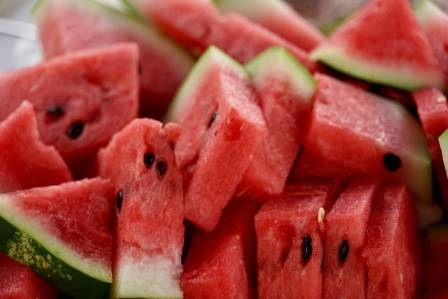
Watermelon (Citrullus lanatus) is more than just a summer staple—it’s a globally beloved fruit celebrated for its refreshing juiciness, vibrant flavor, and remarkable versatility. Composed of approximately 92% water, this low-calorie delight belongs to the Cucurbitaceae family, alongside cucumbers, pumpkins, and squash. Its edible fruit, classified botanically as a pepo (a type of berry), comes in a spectrum of colors—from deep ruby red and pale pink to golden yellow and orange—with flesh that ranges from sweet and crisp to subtly floral. Native to Africa, watermelon has traversed continents over millennia, evolving from a drought-resistant water source for ancient communities to a culinary favorite with over 1,000 cultivated varieties worldwide. Below, we explore its rich history, debunk common myths, highlight popular varieties, break down its nutritional profile, detail science-backed health benefits, and share creative ways to savor this iconic fruit.
A Brief History: From African Deserts to Global Tables
Watermelon’s roots stretch back 5,000 years to southern Africa, where its wild ancestor thrived as a drought-resistant plant in the Kalahari Desert. Unlike modern watermelons, this early variety had bitter flesh, but indigenous communities valued it for its water-storing capabilities—critical for survival in arid regions—and roasted its seeds as a food source. By 4,000 BCE, watermelon had made its way to Egypt, where it was first domesticated and revered: seeds and depictions of oval-shaped watermelons have been found in ancient Egyptian tombs, including those of pharaohs, suggesting it was a symbol of abundance and nourishment. Egyptian farmers refined the fruit through selective breeding, developing sweeter flesh and a more palatable flavor, transforming it from a mere water source to a desirable snack. Watermelon later spread to the Mediterranean, Asia, and eventually the Americas via European colonists and the transatlantic slave trade. It was documented in Florida by 1576 and Massachusetts by 1629, and Native American tribes soon cultivated it across the Mississippi Valley. In the 20th century, the U.S. Department of Agriculture (USDA) spearheaded breeding programs, yielding iconic varieties like ‘Charleston Grey’—a large, disease-resistant melon still popular today. A pivotal milestone came in the 1950s with the development of seedless watermelons, created by crossing diploid (two sets of chromosomes) and tetraploid (four sets of chromosomes) plants to produce sterile triploid fruits—revolutionizing how we enjoy watermelon today.
Debunking the Great Watermelon Myth
One of the most enduring myths about watermelon is that swallowing its seeds will cause a watermelon to grow in your stomach. This playful tale has been passed down through generations, but it’s entirely unfounded. Watermelon seeds are safe to eat—whether raw, roasted, or accidentally ingested—and pass through the digestive system without germinating. In fact, watermelon seeds are nutrient-dense, packed with protein, healthy fats, and minerals like magnesium and zinc. While modern seedless varieties have minimized the need to deal with seeds, there’s no harm in consuming them—so next time you bite into a seeded watermelon, feel free to chew or swallow the seeds without worry.
Popular Watermelon Varieties: From Seedless to Heirloom
Watermelons come in a dazzling array of sizes, colors, and flavors, tailored to different growing conditions, culinary uses, and personal preferences. Here are eight beloved varieties:
Seedless Watermelons: A modern favorite, these varieties (e.g., ‘King of Hearts,’ ‘Crimson Sweet,’ ‘Queen of Hearts’) produce few to no viable seeds, making them easy to eat. ‘King of Hearts’ weighs 14–18 pounds, has a thick rind for storage and transport, and features soft, edible white immature seeds. ‘Crimson Sweet,’ introduced in 1963, boasts high sugar content, dark green stripes, and resistance to common diseases, with tiny black seeds and abundant lycopene.
Black Diamond Watermelons: An heirloom open-pollinated variety, ‘Black Diamond’ is prized by home gardeners and commercial growers alike. Its robust vines yield massive fruits (up to 50 pounds) with gray-black seeds (perfect for spitting contests) and sweet, juicy red flesh. Originating in Arkansas, it’s a staple of summer picnics and greased watermelon competitions.
Cal Sweet Bush Watermelons: Ideal for small spaces or container gardening, this compact variety has bushy vines (14–18 inches long) that produce 2–3 fruits (10–12 pounds each). It offers excellent flavor and leaf protection for the fruit, making it a top choice for urban gardeners.
Charleston Grey Watermelons: A legacy variety from USDA breeding programs, ‘Charleston Grey’ is large and elongated with a greenish-gray rind and vivid crimson flesh. It thrives in warm, sunny conditions, producing sweet, juicy fruit that’s perfect for feeding crowds.
Picnic Watermelons: As the name suggests, these large varieties (15–50 pounds, or more!) are designed for gatherings. Examples include ‘All Sweet,’ ‘Jubilee,’ and the record-breaking 279-pound melon grown by Bill Rogerson in 1991. They have oval or round shapes, bright green exteriors, and rich red flesh—ideal for backyard barbecues and picnics.
Icebox Watermelons: Compact (5–15 pounds) and easy to store in refrigerators, these are perfect for small families or individuals. ‘Sugar Baby’ has a dark green rind and sweet red flesh, while ‘Tiger Baby’ matures to a golden hue, offering a portable, single-serve option.
Yellow-Orange Watermelons: These varieties (e.g., ‘Chiffon,’ ‘Honeyheart,’ ‘Desert King’) feature golden to orange flesh, ranging from seedless to seeded. They have a milder, sweeter flavor than red watermelons, with notes of honey and citrus, and weigh 10–30 pounds.
Jamboree Watermelons: A hybrid “allsweet” variety, ‘Jamboree’ produces extra-large, oblong fruits (25–30 pounds) with rich red flesh and a dark green, sunburn-resistant rind. It adapts well to diverse climates, including cooler regions, and stores well after harvest.
Watermelon’s Plant Relatives: A Family of Gourds
Watermelon belongs to the Cucurbitaceae family, a diverse group of flowering plants that includes over 965 species. Its closest relatives include cucumbers, squash, pumpkins, bitter melon, zucchini, gourds, luffa, and various types of melons (e.g., cantaloupe, honeydew). Like other cucurbits, watermelon is a scrambling, trailing vine that grows along the ground or climbs trellises, producing large, showy flowers that develop into the fruit we know and love. This family connection explains why watermelons share certain growth habits and nutritional traits with their relatives—such as high water content and a focus on fruit production.
Nutritional Profile: Low-Calorie, High-Nutrient Goodness
Watermelon’s nutritional profile is as impressive as its flavor, offering a wealth of vitamins, minerals, and antioxidants with minimal calories. A 100-gram (2/3 cup) serving of raw watermelon contains just 30 calories, 91% water, 0.6 grams of protein, and 0.2 grams of fat—making it an excellent choice for weight management. Its 7.6 grams of carbohydrates are primarily natural sugars (6.2 grams), with fructose accounting for half, glucose a quarter, and sucrose a small fraction. While its glycemic index (GI) is relatively high (76), indicating it can raise blood sugar quickly, its glycemic load (GL)—a measure of how much a serving affects blood sugar—is only 4 (considered low), thanks to its high water content and small serving size. Watermelon is low in fiber (0.4 grams per 100 grams) but rich in FODMAPs (fermentable short-chain carbohydrates), which may cause digestive discomfort in individuals with fructose malabsorption if consumed in large quantities. It’s a excellent source of vitamin C (supports immune function and wound healing) and vitamin A (critical for eye health), with a single serving providing a significant portion of daily requirements. It also contains small amounts of copper, pantothenic acid, biotin, and B vitamins (B1, B6), which support energy metabolism and overall wellness.
Science-Backed Health Benefits of Watermelon
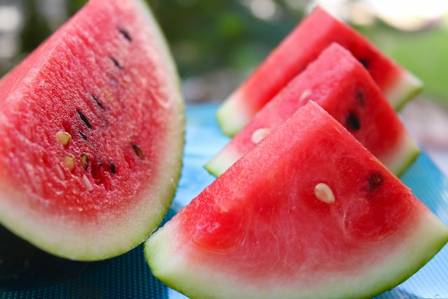
Beyond its refreshing taste, watermelon offers a range of health benefits, backed by research on its key compounds like lycopene, citrulline, and antioxidants:
Exceptional Hydration: With 92% water content, watermelon is one of the most hydrating fruits available. Its combination of water and fiber helps you feel full without consuming excess calories, making it ideal for staying hydrated during hot weather or workouts.
Heart Health Support: Watermelon contains citrulline, an amino acid that converts to arginine in the body, supporting blood vessel relaxation and improving circulation. Studies show citrulline may help reduce arterial stiffness (especially in postmenopausal women) and lower the risk of atherosclerosis by preventing harmful cholesterol buildup. Its lycopene content also contributes to heart health by reducing oxidative stress.
Blood Pressure Regulation: The L-citrulline in watermelon (concentrated in the white rind) helps relax blood vessels, improving blood flow and lowering blood pressure. This has earned watermelon the nickname “nature’s Viagra” for its potential to enhance blood circulation, including in the penis. For athletes, L-citrulline may also boost muscle oxygenation and endurance.
Potential Cancer Prevention: Lycopene, a powerful antioxidant responsible for watermelon’s red color, has been studied for its anti-cancer properties. While research is ongoing, lycopene intake is linked to a lower risk of certain cancers—particularly gut cancers—by reducing levels of insulin-like growth factor (IGF), a protein associated with cell division and tumor growth. Watermelon also contains cucurbitacin E, a compound being investigated for its ability to inhibit tumor growth.
Muscle Soreness Relief: Citrulline in watermelon helps speed up the removal of lactic acid (a byproduct of exercise that causes soreness) and improves muscle oxygenation, aiding in post-workout recovery. Drinking watermelon juice has been shown to reduce muscle soreness and enhance recovery time in athletes.
Digestive Health Support: While low in fiber, watermelon contains prebiotics—compounds that feed beneficial gut bacteria, supporting a healthy microbiome. Prebiotics are linked to improved immune function, reduced inflammation, better mineral absorption, and regulated blood glucose levels.
Asthma Prevention and Management: Lycopene’s antioxidant properties may help reduce the risk of asthma flare-ups, especially in children. Studies suggest adequate intake of lycopene and vitamin A (both abundant in watermelon) may improve breathing in individuals with asthma by reducing inflammation in the airways.
Weight Loss Friendly: With just 30 calories per 100 grams, zero saturated fat, and natural sugars that satisfy cravings without spiking hunger, watermelon is an excellent choice for weight management. Its high water and fiber content promote satiety, helping you eat less throughout the day.
Creative Ways to Prepare and Enjoy Watermelon
Watermelon’s versatility shines in both sweet and savory dishes, from refreshing drinks to hearty salads. Here are five delicious ways to savor it:
Watermelon Cocktails and Mocktails: Perfect for summer gatherings, watermelon blends beautifully with spirits like gin, rum, tequila, and vodka. Try a watermelon margarita (muddle watermelon with lime juice, agave, and tequila), a mojito (add watermelon puree to mint, lime, rum, and soda), or a non-alcoholic punch (mix watermelon juice with lemonade, mint, and sparkling water). For extra flair, freeze watermelon cubes to use as ice cubes, or infuse vodka with watermelon rind for a flavored spirit.
Watermelon Fruit Salads: Combine diced watermelon with other fruits for a colorful, sweet salad. Pair it with strawberries, blueberries, bananas, mango, or pineapple—their flavors complement watermelon’s juiciness. For a tropical twist, add coconut flakes or passion fruit; for a tangy kick, squeeze fresh lime juice and sprinkle with chili powder (a popular combination in Mexican cuisine). Serve as an appetizer, side dish, or dessert.
Savory Watermelon Salads: Watermelon’s sweetness balances savory ingredients beautifully. A classic combination includes diced watermelon, fresh mint, crumbled feta cheese, cucumber, and red onion, tossed with a simple vinaigrette (olive oil, lime juice, salt, and pepper). For variation, swap feta for goat cheese, add olives or arugula, or drizzle with balsamic glaze. This salad is refreshing, light, and perfect for summer barbecues or picnics.
Watermelon Smoothies: To make a creamy, thick smoothie (not just juice), freeze watermelon cubes first. Blend frozen watermelon with other fruits like pineapple, strawberry, or banana, plus a liquid base (almond milk, coconut milk, or Greek yogurt) for creaminess. Add a handful of spinach for extra nutrients, a spoonful of chia seeds for fiber, or a scoop of protein powder for a post-workout boost. Try a watermelon-pineapple smoothie with coconut milk for a tropical treat, or a watermelon-strawberry blend with mint for freshness.
Fresh Watermelon Juice: Making watermelon juice is effortless—no juicer required. Scoop seeded watermelon flesh into a blender, pulse for 30 seconds until smooth, and enjoy as is (pulp and all) for extra fiber. If you prefer pulp-free juice, strain it through a fine-mesh sieve into a pitcher. For a twist, add a squeeze of lime, a sprig of mint, or a splash of ginger juice. For an adult version, mix in a shot of tequila or white rum for a refreshing cocktail.
Final Thoughts: Celebrating Watermelon’s Timeless Appeal
Watermelon is more than just a summer fruit—it’s a symbol of joy, nourishment, and cultural heritage. From its humble beginnings as a water source in African deserts to its status as a global culinary icon, watermelon has evolved to suit diverse tastes and traditions. With its impressive nutritional profile, science-backed health benefits, and endless versatility, it’s no wonder this juicy fruit remains a favorite across generations. Whether enjoyed fresh off the rind, blended into a smoothie, or paired with savory ingredients in a salad, watermelon offers a refreshing reminder of the simple pleasures of summer. So next time you bite into a crisp, sweet slice, savor not just its flavor, but the rich history and health benefits that make watermelon a true gift from nature.