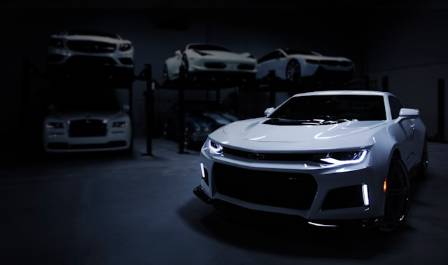
For many, a vehicle is far more than a simple mode of transportation; it is a vessel for lifelong memories. Whether it is the nostalgia of a first car, a cross-country family trek, or a spontaneous road trip with close friends, automobiles often hold deep sentimental value. Beyond these personal connections, the automotive world is filled with surprising technical milestones and historical anecdotes that many drivers might find unexpected.
The Evolution and Origins of Motor Vehicles
The history of the automobile stretches back much further than the assembly lines of the 20th century. The very first self-propelled vehicle was conceptualized as early as 1672 by Ferdinand Verbiest. These primitive machines lacked the intuitive steering wheels we use today, relying instead on a lever system for directional control. Even the terminology we use has ancient roots, as the word "car" is derived from the Latin terms "carrus" or "carrum," both of which describe a wheeled chariot or transport.
While electric vehicles are often viewed as a 21st-century innovation, they actually predated many internal combustion designs. Documentation from the early 19th century shows that inventors were experimenting with small-scale electric transport as far back as 1828. This long-standing history serves as a reminder that the quest for alternative energy in transportation is nearly as old as the industry itself.
Safety Innovations and World Records
One of the most significant contributions to automotive safety occurred in 1959 when Volvo engineer Nils Bohlin developed the three-point seat belt. Recognizing that this design could save countless lives across the globe, Volvo made the extraordinary decision not to patent the invention. By allowing all manufacturers to implement the design for free, they established a safety standard that remains the universal baseline for vehicle occupant protection today.
The scale of automotive enthusiasm is occasionally displayed through massive public gatherings. In 2020, a new world record was set for the longest car parade in history. Organized by Subaru, the event featured 1,751 vehicles traveling together along a two-mile route, demonstrating the community spirit that often surrounds specific automotive brands.

Modern Vulnerabilities and Environmental Impact
As vehicles become increasingly reliant on digital integration, new security challenges have emerged. Modern cars can be susceptible to hacking through various entry points, including wireless communication systems, mobile devices connected via Bluetooth or Wi-Fi, and even the vehicle’s physical diagnostic ports. This intersection of software and hardware has forced a new focus on cybersecurity within the manufacturing process.
On a more positive note, the automotive industry is a leader in sustainability. Between 75% and 80% of a modern vehicle is entirely recyclable. By reclaiming metals, rubber, and plastics from retired cars, the environmental footprint of vehicle production and disposal is significantly mitigated. This circular economy ensures that the materials from one generation of cars can provide the foundation for the next.
Practical Maintenance and Security Trends
Even minor environmental factors can have a lasting impact on a car’s longevity. For instance, bird droppings are not merely a cosmetic issue; they contain uric acid that can chemically erode the clear coat and underlying paint. If left uncleaned, this substance can cause permanent structural damage to the vehicle's finish. Proper maintenance is essential for preserving both the aesthetic and the resale value of a car.
Security remains a primary concern for owners, particularly in the United States. Recent data from the NICB indicates that Chevrolet and Ford full-size pickups were the most frequently stolen vehicles in 2023, followed closely by popular sedan models like the Honda Civic and Accord. These statistics highlight the importance of modern anti-theft technology and vigilant ownership practices in protecting one's automotive investments.