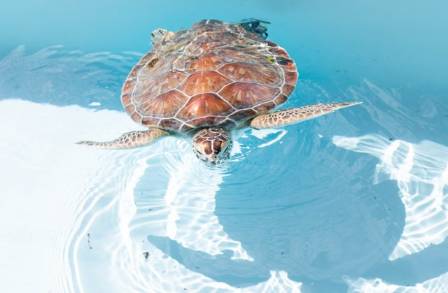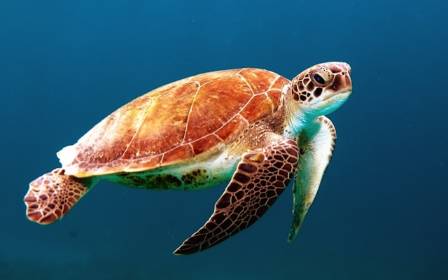
Turtles are among the most remarkable creatures on our planet, surviving in diverse ecosystems ranging from arid lands to the depths of the ocean. These reptiles belong to the order Testudines, a classification that encompasses turtles, tortoises, and terrapins. While they differ in their specific habitats and physical traits, they share a fascinating biological history that stretches back hundreds of millions of years.
Ancient Origins and Evolutionary History
Turtles represent one of the oldest living reptile lineages in existence. Their ancestors appeared on Earth more than 200 million years ago, making the group older than crocodiles, alligators, and even snakes. Having shared the planet with dinosaurs, turtles have demonstrated an extraordinary ability to adapt and persist through multiple mass extinction events.
The Anatomy of the Shell
The most defining characteristic of a turtle is its bony shell. This structure serves as a sophisticated shield, providing a robust defense against potential predators. Contrary to the common myth portrayed in cartoons, a turtle cannot "leave" its shell. The shell is not an external house but a fundamental part of the animal's skeleton. It is composed of more than 50 bones, including the turtle's rib cage and spine, and it grows along with the animal throughout its life.
Dietary Habits and Environmental Adaptation
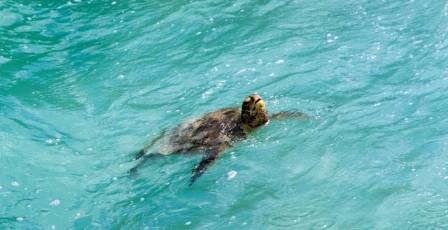
A turtle’s diet is primarily determined by the environment it inhabits. Land-dwelling species often feed on vegetation such as grass and fruit, as well as small insects like beetles. Sea-dwelling turtles have broader diets that include algae, squid, and even jellyfish. Depending on the species and its age, a turtle may be a carnivore, a herbivore, or an omnivore. Interestingly, many species begin their lives as meat-eaters to fuel their initial growth before transitioning to a more plant-based diet as they mature.
Life Cycle and Longevity
Turtles are amniotes, meaning they breathe air and must lay their eggs on land, even if they spend the vast majority of their lives in water. They are cold-blooded animals known for their exceptional lifespans. One of the oldest recorded individuals, a tortoise from Tonga Island named Tu'i Malila, reached the age of 188 before passing away. This longevity is a testament to their slow metabolism and resilient biology.
Conservation Status and Modern Challenges
Despite their ancient history, the modern world poses significant threats to these reptiles. According to the International Union for Conservation of Nature (IUCN), 129 of the approximately 300 turtle and tortoise species on Earth are currently classified as vulnerable, endangered, or critically endangered.
The primary drivers of this decline include:
-
Habitat Loss: Destruction of nesting beaches and wetlands.
-
Pollution: Specifically the ingestion of plastic waste, which many sea turtles mistake for jellyfish.
-
Illegal Trade: Poaching for shells, meat, and the illicit pet market.
Understanding these magnificent animals is the first step toward ensuring their survival for another 200 million years.