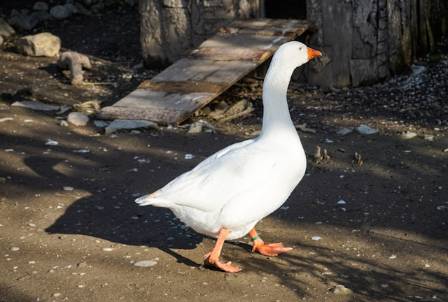
Have you ever thought about raising domestic geese? These feathered companions have been part of human culture for hundreds of years, providing meat, eggs, and even warm feathers. In this guide, we’ll cover everything you need to know about domestic geese—from their different breeds and behaviors to how they’re used by humans.
Domestic geese are often overlooked as additions to small farms or backyards, but they’re surprisingly tough and easy to care for. This makes them a great choice if you want to add some feathered friends to your homestead. Beyond their practical uses, domestic geese are also fascinating creatures with unique personalities and habits.
Whether you’re an experienced goose owner or just considering adding geese to your flock, this guide will give you all the information you need to keep these birds happy and healthy. We’ll dive into their care needs, social lives, and the many ways they’ve been part of human life over time.
Domestic Goose Breeds
Are you curious about the different types of domestic geese? There are many breeds to pick from, and each has its own unique traits that make it stand out. Here’s an overview of some of the most popular domestic goose breeds:
Toulouse Goose
The Toulouse goose is one of the largest domestic goose breeds. It’s known for being calm and gentle, as well as its impressive size—these geese can weigh up to 26 pounds. Because of their size, they’re often raised for their meat, which is lean and flavorful.
Embden Goose
The Embden goose is another large breed, recognizable by its pure white feathers and a small, hard knob on its beak. It’s a hardy bird that can handle a range of weather conditions, making it a favorite for farmers. Embden geese are often raised for their meat, and they also work well as guard animals—they’ll honk loudly to alert you of strangers or predators.
African Goose
The African goose is a medium-sized breed with a calm, laid-back personality. It’s known for being a great egg-layer, producing more eggs than many other domestic goose breeds. African geese have a distinct knob on their forehead, and their feathers come in several colors, including buff, gray, and white. They’re a good choice if you want both eggs and companionship.
Chinese Goose
The Chinese goose is a smaller breed that stands out for its striking looks and unique calls. It has a noticeable knob on its head, and its feathers can be brown, gray, or white. Chinese geese are more active than some larger breeds, and their loud, distinctive vocalizations make them good at alerting you to activity around your property.
No matter which breed you choose, domestic geese are rewarding to raise. Whether you’re looking for a source of meat, fresh eggs, or just a friendly feathered companion, there’s a domestic goose breed that fits your needs.
Domestic Goose Care
To keep domestic geese happy and healthy, you need to pay attention to their basic needs including feeding, housing, and keeping them healthy. Here are some guidelines to help you take good care of your geese:
Feeding Guidelines
Domestic geese need a balanced diet to stay healthy. The foundation of their diet should be high-quality feed made specifically for geese—this feed has the right mix of proteins, vitamins, and minerals they need. You can also add fresh greens (like grass, lettuce, or kale), vegetables (such as carrots or peas), and small amounts of fruit (like apples or berries) to their diet as treats.
It’s crucial to always provide your geese with fresh, clean water. Geese drink a lot of water, especially when eating dry feed, and they also use water to clean their feathers and nostrils. Make sure their water dish or trough is cleaned daily to prevent the growth of bacteria.
Housing Guidelines
Domestic geese are tough birds that can handle a wide range of temperatures, but they still need a proper shelter. Their shelter should be dry and free of drafts—this protects them from rain, wind, and extreme cold. The shelter should also be spacious enough for all your geese to stand, move around, and rest comfortably.
In addition to indoor shelter, your geese need access to a secure outdoor area. This area should be fenced to keep out predators (like foxes, coyotes, or dogs) and should have grass for grazing. Geese love to graze on grass, which not only provides them with food but also keeps them active and healthy.
Health Concerns and Preventative Measures
Like all animals, domestic geese can get sick. The best way to keep your flock healthy is to take preventative steps. First, keep their living area clean—regularly remove manure, soiled bedding, and leftover food to prevent the spread of germs. Second, take your geese for regular check-ups with a vet who has experience with poultry, they can catch early signs of illness and give you advice on keeping your flock healthy.
Common health issues for domestic geese include respiratory infections (often caused by damp, drafty housing), parasites (like worms or mites), and injuries from predators or fights with other geese. If you notice any signs of illness—such as lethargy, loss of appetite, or unusual droppings—contact your vet right away.
By following these basic care tips, you can ensure your domestic geese stay healthy and happy. With proper care, your geese will be part of your homestead for many years, providing you with companionship and practical benefits like meat, eggs, and even weed control.
Domestic Goose Behavior
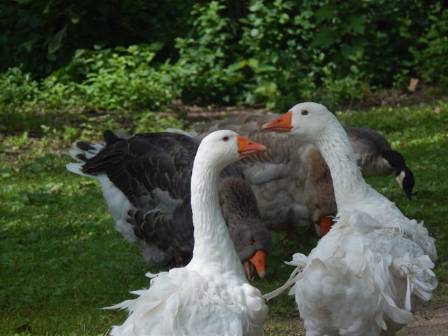
Domestic geese are social animals that thrive when they’re part of a flock. Understanding their behaviors and how they communicate can help you care for them better and build a stronger bond with your birds.
Social Habits and Flock Dynamics
Domestic geese are highly social—they form close bonds with other geese in their flock. In the wild, geese often mate for life and stay with their partner year-round. While domestic geese might not always mate for life, they still develop strong relationships with their flock mates. They’ll preen each other’s feathers, graze together, and even sleep close to one another for comfort.
Geese are also territorial. They’ll defend their flock, their food, and their shelter from perceived threats, this can include loud honking, flapping their wings to look bigger, or even gently biting if they feel threatened. To keep your geese calm, give them enough space to establish their territory and avoid overcrowding their living area. Overcrowding can lead to fights and stress, which are bad for their health.
Communication and Vocalizations
Geese are famous for their loud, distinctive honks, but these vocalizations aren’t just random noise, they’re a way for geese to communicate with each other. A loud, repeated honk might mean a goose is alerting the flock to danger, while softer, shorter honks could be a way to stay in touch with other geese while grazing.
Geese also communicate through body language. For example, a goose that stretches its neck forward and hisses is feeling threatened, while a goose that shakes its wings and wags its tail is happy and relaxed. Paying attention to these small cues can help you understand how your geese are feeling and respond to their needs.
Mating and Nesting Behaviors
Domestic geese usually mate in the spring, when the weather warms up. Female geese can lay up to 50 eggs per year, though the number varies by breed. Geese are very protective of their nests, they’ll sit on their eggs (a behavior called “brooding”) to keep them warm, and they’ll aggressively defend the nest from anyone who gets too close, including other geese or humans.
If you want to breed your geese, you’ll need to provide them with a safe, quiet nesting space. This could be a separate nesting box filled with soft bedding (like straw) or a secluded corner of their shelter. Keep in mind that geese can get more aggressive during mating season, so it’s important to approach them carefully and give them space while they’re nesting.
Domestic Goose Uses
Domestic geese have been part of human culture for centuries, with a rich history and deep cultural meaning. Today, they still have practical uses, but they also offer unexpected benefits beyond their traditional roles as sources of meat and eggs.
Historical and Cultural Significance of Domestic Geese
Geese have played an important role in human history. Evidence of domesticating geese dates back to ancient Egypt and Rome, people in these civilizations raised geese for meat, eggs, and feathers. In many cultures, geese are seen as symbols of loyalty, vigilance, and intelligence. For example, in ancient Rome, geese were kept in the Capitol because they honked loudly to warn of a Gallic attack in 390 BCE. In Jewish culture, geese are sometimes part of Passover traditions, and in many European countries, geese have been featured in folktales and art as wise or brave creatures.
Practical Uses for Domestic Geese
Today, domestic geese still have many practical uses. Their meat is lean and has a rich, savory flavor—often compared to duck, but with a milder taste. Goose eggs are much larger than chicken eggs (one goose egg is about the size of three chicken eggs) and have a creamy, rich flavor that’s perfect for baking, scrambling, or making omelets. Goose feathers, especially down feathers, are highly valued for their warmth and softness, they’re used to make down jackets, pillows, and comforters that are lightweight but incredibly insulating.
Alternative Uses for Domestic Geese
Beyond meat, eggs, and feathers, domestic geese have other useful roles. One popular alternative use is weed control—geese love to graze on grass, dandelions, and other unwanted plants, making them a natural way to keep lawns, gardens, or farm fields free of weeds. They’re often used by organic farmers who want to avoid chemical herbicides.
Some people also use domestic geese as therapy animals. Their calm, gentle nature and quiet presence can provide comfort to people in hospitals, nursing homes, or schools. Geese are also good companions for people who live alone—they’re friendly, responsive, and can even learn to recognize their owners.

Conclusion
In conclusion, domestic geese are a wonderful addition to any homestead, backyard, or small farm. They’re hardy, easy to care for, and offer a range of practical benefits—from delicious meat and fresh eggs to warm feathers. Plus, they’re fascinating creatures with unique personalities and behaviors that make them a joy to watch and interact with.
In this guide, we’ve covered everything you need to know about domestic geese: their different breeds and what makes each one special, how to feed and house them to keep them healthy, their social habits and how they communicate, and the many ways they’ve been useful to humans throughout history and today.
By following the advice in this guide, you’ll be able to raise happy, healthy domestic geese that bring value and joy to your life. Whether you’re a first-time goose owner or an experienced farmer, these feathered friends are sure to become a beloved part of your homestead.
At Critter Kingdom, we’re committed to providing accurate, comprehensive information about all kinds of animals including domestic geese. We hope this guide has been helpful, and we encourage you to keep learning about these amazing birds as you care for them.