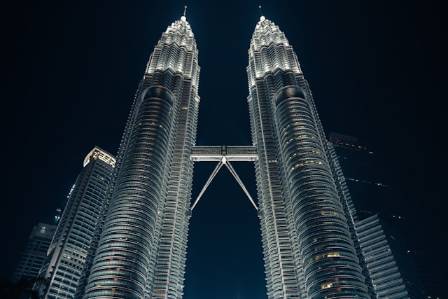
The Petronas Towers, standing tall in Kuala Lumpur, Malaysia, are an iconic symbol of the nation's progress and architectural brilliance. As the tallest twin towers in the world, they represent a fusion of cutting-edge engineering, Islamic-inspired design, and sustainable innovation. This article explores the history, design, and unique features that make the Petronas Towers a global landmark.
History of the Petronas Towers
The construction of the Petronas Towers began in 1992 under the vision of then-Prime Minister Mahathir Mohamad, who sought to put Malaysia on the global map. Designed by Argentine architect Cesar Pelli, the towers were completed in 1998 after six years of meticulous work. The project was funded by the state-owned oil company, Petronas, which also became the towers' namesake. At the time of their completion, the towers claimed the title of the world's tallest buildings, surpassing the Willis Tower in Chicago.
Architectural Design and Inspiration
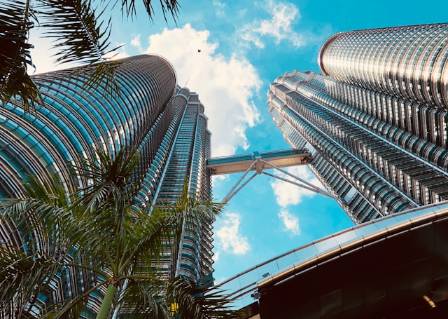
The design of the Petronas Towers reflects a harmonious blend of modern technology and traditional Islamic motifs. The floor plan is based on an eight-pointed star, a geometric pattern commonly found in Islamic art, symbolizing unity and harmony. The towers' façade is clad in stainless steel and glass, creating a shimmering effect under the Malaysian sun. The double-decker skybridge connecting the two towers at the 41st and 42nd floors serves both functional and aesthetic purposes, offering breathtaking views of the city.
Engineering and Structural Innovations
Building the Petronas Towers required groundbreaking engineering solutions. Due to Kuala Lumpur's soft soil, the foundations were reinforced with piles driven over 100 meters deep, making them some of the deepest in the world. The towers' structural system combines reinforced concrete and high-strength steel, ensuring stability against high winds and seismic activity. Additionally, the towers were constructed by two different consortia to accelerate the timeline, showcasing remarkable coordination in large-scale construction.
Sustainable Features and Legacy
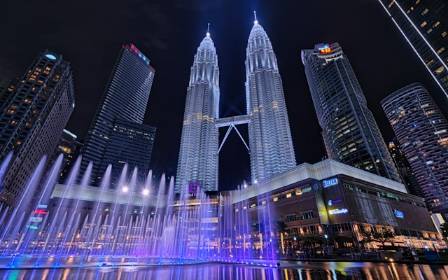
The Petronas Towers were designed with sustainability in mind. Energy-efficient glass reduces heat absorption, while advanced HVAC systems optimize indoor climate control. The surrounding KLCC Park enhances the urban environment with greenery and water features. Today, the towers remain a major tourist attraction and a source of national pride, symbolizing Malaysia's ambition and technological advancement.
Conclusion
The Petronas Towers stand as a testament to human ingenuity and cultural pride. Their innovative design, structural mastery, and sustainable approach have secured their place in architectural history. More than just skyscrapers, they embody Malaysia's journey toward modernity while honoring its rich heritage. As a global icon, the Petronas Towers continue to inspire awe and admiration worldwide.