Understanding Grasslands Around the World
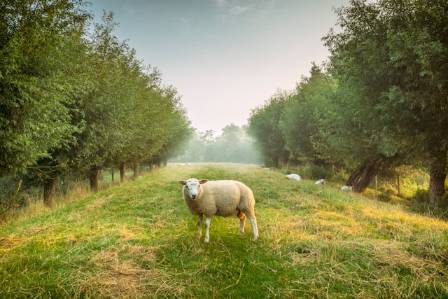
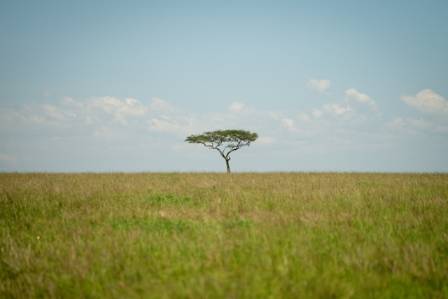
Grasslands are known by various names depending on their location. In the U.S. Midwest, they’re called prairies. In South America, these vast grass-covered areas are referred to as pampas. The extensive grasslands of Central Eurasia are called steppes, while the grassy plains of Africa are known as savannas. Despite the different names, what unites them is their dominant vegetation: grasses.
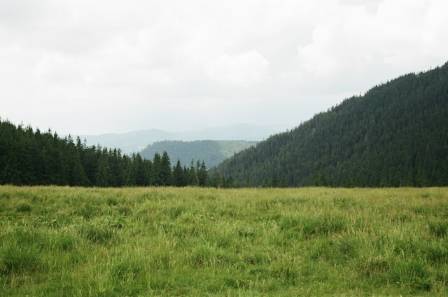
Grasslands typically develop in regions where rainfall is insufficient to sustain forests, yet not so scarce that deserts form. Often, they serve as transitional zones lying between forests and deserts. Grasslands cover roughly 20 to 40 percent of the Earth’s terrestrial surface, depending on classification criteria. They tend to be open, relatively flat landscapes found on every continent except Antarctica. Unfortunately, human activities increasingly threaten these ecosystems.
Among the primary risks to natural grasslands and their wildlife are agriculture, excessive grazing, invasive species, poaching, and changes in climate. However, grasslands also hold potential as natural allies against climate change. For instance, one research study indicated that grasslands and rangelands in California may sequester more carbon than forests because they are less vulnerable to wildfires and drought. Despite this, less than 10 percent of the world’s grasslands have formal protection.
Different Types of Grasslands
Grasslands fall mainly into two categories: tropical and temperate. Temperate grasslands include examples like the Eurasian steppes, North American prairies, and Argentina’s pampas. Tropical grasslands encompass the hot savannas found in sub-Saharan Africa and northern Australia.
Annual precipitation in grasslands varies widely, from about 25 to 102 centimeters (10 to 40 inches). Temperature ranges differ as well; temperate grasslands can experience freezing conditions, while tropical ones often exceed 32 degrees Celsius (90 degrees Fahrenheit).
The height of grasses depends largely on rainfall amounts. Some species remain under 30 centimeters (1 foot), whereas others can grow up to 2 meters (7 feet). Their roots often penetrate deep into the soil, reaching between 90 centimeters and 1.8 meters (3 to 6 feet). This extensive root system combined with moderate rainfall results in fertile soils, making grasslands attractive for farming. Much of North America’s prairie lands have been converted into crop fields, threatening native species and local water supplies.
Flora and Fauna of Grasslands
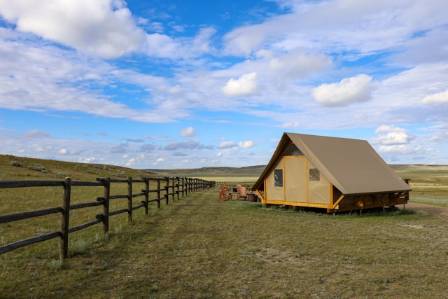
Grasslands provide habitat for a rich diversity of plants and animals. For example, the African savannas support herbivores such as zebras, wildebeests, gazelles, and giraffes. Temperate grasslands are home to animals like prairie dogs, badgers, coyotes, swift foxes, and many bird species. These ecosystems can support up to 25 different large herbivores, creating a natural buffet as various grasses appeal to different animals.
Common grass species include red oat grass (Themeda triandra) and Rhodes grass (Chloris gayana) in tropical savannas, and purple needlegrass (Nassella pulchra) and galleta in temperate zones. During rainy seasons, grasslands often bloom with wildflowers such as yarrow (Achillea millefolium), hyssop, and milkweed. Plants here are adapted to the challenges of drought, grazing, and fire.
The Role of Fire in Grasslands
Fires, whether started naturally or by humans, play a crucial role in maintaining grassland ecosystems. In the U.S. Midwest, for example, Native American tribes historically used controlled burns to preserve grasslands, which supported game animals like bison. Fire helps keep trees and shrubs that can’t tolerate burning from spreading, allowing a diversity of wildflowers and pollinator habitats to thrive.