Introduction
Deserts aren’t just seas of sand and heat. They’re climates defined by scarce precipitation, where life and landscapes take on extraordinary variety. From icy plateaus to Mars-like plains, deserts offer surprises at every turn. Here’s a refreshed look at ten famous deserts, each with its own character, challenges, and wonder.
The Sahara Desert
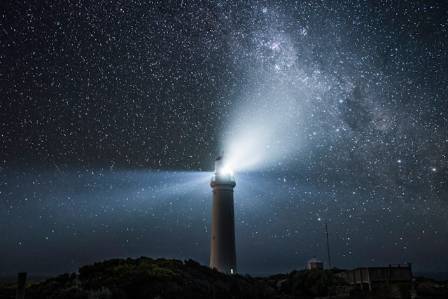
Known as the Great Desert, the Sahara is the colossal hot desert of Africa. It ranks third in the global desert scale, surpassed by Antarctica and the northern Arctic deserts, yet it dominates North Africa in scale. Spanning from the Red Sea to the Atlantic, it touches many nations—Egypt, Algeria, Chad, Libya, Mali, Mauritania, Morocco, Niger, Tunisia, and Sudan. Adventures abound: quad biking across dunes, stargazing beneath unpolluted skies, sand surfing, camping, and trekking. Camel rides are a staple, and ancient sites such as the Temple of Amun and Shali Fortress offer a window into civilizations that thrived here. The cooler, more comfortable windows to visit tend to be Christmas or Easter holidays.
The Arabian Desert
Carving across western Asia, the Arabian Desert covers the Arabian Peninsula—the largest peninsula on Earth. It is the fifth-largest desert worldwide and the largest in Asia, crossing Yemen, Jordan, Iraq, Kuwait, Qatar, the United Arab Emirates, and Oman. For milder weather, visit between November and February. Activities include camel safaris, desert camping, hiking, dune bashing, hot-air ballooning, and desert safaris. A word of caution: some regions harbor treacherous quicksand, so travel with care.
The Antarctic Desert
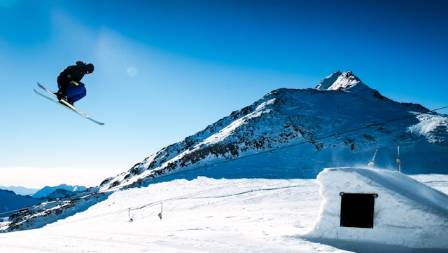
Antarctica is the planet’s cold desert and its largest by land area, defined by its meager annual precipitation and immense ice sheets. It’s the coldest place on Earth, yet summer (roughly November through March in the Southern Hemisphere) brings longer days and access to exploration. Highlights include skiing, mountaineering, kayaking among ice floes, visiting research stations, and spotting seals and penguins along vast ice shelves.
The Atacama Desert
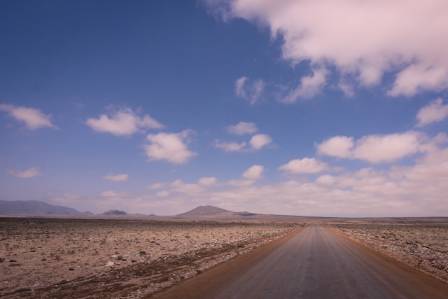
Stretching across Chile, Argentina, Bolivia, and Peru, the Atacama is the driest nonpolar desert. It’s a prime source of minerals and, intriguingly, its soil bears similarities to Martian landscapes. The Chilean winter (May–July) offers exceptionally clear skies for stargazing. Must-see experiences include Valle de la Luna (Moon Valley), floating in Laguna Baltinache, flamingo-watching at Laguna Chaxa, a trip to the Chacabuco N nitrate village, desert excursions, hot-air balloon rides, and awe-inspiring night skies.
The Namib Desert
Namibia’s Namib Desert is often cited as the world’s oldest desert. Its arid reaches stretch into neighboring Namibia, South Africa, and Angola, home to desert-adapted creatures and dramatic landscapes. The region hosts desert lions, Damaraland elephants that can go long stretches without water, and black rhinos. Visitors can safari to glimpse these survivors and explore ancient desert towns and castles. The best visiting window is May through October when conditions are more temperate.
The Gobi Desert
Spanning China and Mongolia, the Gobi is not a single uniform desert but a mosaic of 33 distinct landscapes. It holds historical significance tied to the Mongol Empire and features dramatic contrasts: only about 5% of its area is sandy; much is rocky with green valleys, rivers, oases, and fossil-rich sites. Wildlife includes Bactrian camels, Siberian ibex, and Gobi brown bears. Optimal visiting months are August to October, perfect for sunrises, sunsets, camel trekking, fossil hunts, and exploring Three Beauties National Park.
The Arctic Desert
This cold desert covers a vast archipelago of islands in Russia and Norway. Its frigid climate doesn’t stop life: indigenous communities endure extreme conditions, and wildlife such as arctic foxes, narwhals, polar bears, and walruses thrive. Activities include dog sledding, snowshoeing, skiing, mountaineering, and ice-water adventures. The window for exploration typically runs from June to September when days are longer and conditions milder.
Conclusion
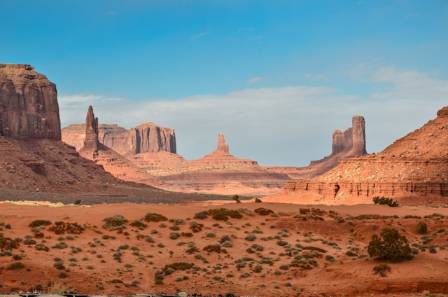
Deserts reveal a spectrum of beauty, challenge, and mystery—from sun-baked dunes to ice-clad frontiers. Each desert invites a distinct mode of exploration, whether it’s stargazing under vast skies, tracking resilient wildlife, or standing atop wind-sculpted landscapes. If you’re seeking an adventure that tests your limits and expands your horizons, these deserts offer experiences like no other.