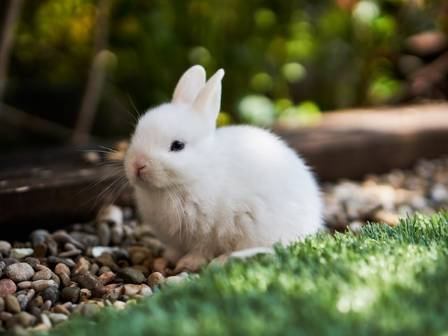
If you've ever thought about welcoming a small pet other than a cat or dog into your home, a rabbit might have crossed your mind. Rabbits are compact, soft, and relatively straightforward to look after. Small breeds, such as the Netherland Dwarf rabbit, often appear to be an excellent option.
Naturally, before you make a Dwarf Rabbit a part of your household, there are several key aspects you should be aware of.
Netherland Dwarf rabbits possess rounded, sturdy bodies. They are recognizable by their broad heads, short necks, and upright, short ears. These delicate rabbits typically weigh just 1.75 to 2.5 pounds. They can sometimes exhibit a spirited disposition and a habit of nipping. Nonetheless, their lively and enthusiastic character makes them endearing pets for adults, contributing to their worldwide popularity.
Understanding Netherland Dwarf Rabbits
Netherland Dwarf rabbits carry a specific dwarfism gene, which results in their small, stout physique. They are the most miniature of all rabbit varieties.
This breed was initially developed from the Polish rabbit and later established as a unique breed. Post-World War II, they gained formal recognition and began to be exported internationally. Today, they rank among the most popular show rabbit breeds, alongside the Dutch and English, especially after receiving official status from the American Rabbit Breeders Association in 1969.
Physical Traits: These rabbits feature large heads with prominent, bright, round eyes. Their tails are small and covered in straight fur.
Coat: They have a thick, shiny coat that appears in various colors including White, Sable, Black, Brown, Smoke pearl, and Chinchilla.
Size: True to their name, they are exceptionally small, with an average adult weight of about two pounds. While different color varieties exist, their tiny size is a constant feature.
Temperament of the Dwarf Rabbit
It might be unexpected, but Netherland Dwarf rabbits can display personalities akin to cats and dogs. You will find them to be active and playful, though this energy can turn destructive without sufficient physical and mental stimulation. The good news is that this breed is intelligent and can be trained to develop positive behaviors.
Initially, a Netherland Dwarf rabbit may be timid and anxious in a new environment. However, once they become familiar with you, their affectionate nature will emerge. Building a strong bond with your rabbit early on is beneficial for both of you.
Similar to other common pets, rabbits require social interaction. Regular, gentle handling by different people can help prevent skittishness and biting. A relaxed and well-socialized rabbit becomes a wonderful companion.
Lifespan of a Dwarf Rabbit
A rabbit's life expectancy varies significantly and is influenced by factors such as breed size, nutrition, overall health, genetics, vaccination history, veterinary care, and how they are handled.
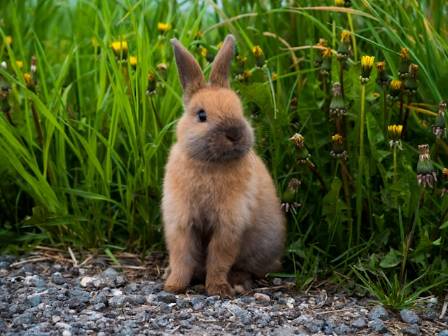
While the average lifespan for many rabbits is around six years, the Netherland Dwarf rabbit often lives between 10 and 12 years.
Dietary Needs of a Dwarf Rabbit
Feeding your rabbit requires consideration of its size, age, and activity level. Beyond controlling portion sizes, the quality and type of food are critical. The dietary requirements for a Netherland Dwarf rabbit change as it grows.
This breed has a delicate digestive system and thrives on fresh, high-quality rabbit pellets. It's also advisable to include a variety of vegetables and fruits as supplements. However, these treats should not constitute more than 15% of their total diet, as excess can lead to obesity and other health issues. Be cautious, as too much lettuce and cabbage can cause diarrhea.
Constant access to clean, fresh water in their enclosure is equally vital.
Hay should form the foundation of their diet, making up at least 70% of their food intake. It promotes healthy digestion and helps grind down their continuously growing teeth, preventing dental diseases.
Key Facts About Dwarf Rabbits
These charming little creatures are more complex than they seem. Here are some additional essential facts:
In the wild, dwarf rabbits can run approximately three miles daily. This means your pet requires ample opportunity for exercise each day.
Ensure you have a secure playpen or a protected outdoor area where your rabbit can roam and explore safely. This helps lower stress and anxiety, reducing the likelihood of nipping.
Just like dogs and cats, Netherland Dwarf rabbits need mental stimulation. Provide them with rabbit-safe toys, which you should acquire from a pet store before your new companion arrives home.
Is a Dwarf Rabbit the Right Pet for You?
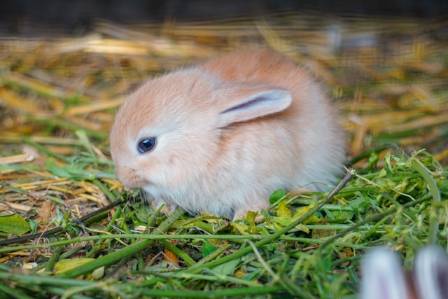
With proper training and socialization, a Dwarf rabbit can be a fantastic pet. They are well-suited for adults of any age. They can adapt well to both houses and apartments, provided they have regular chances to run and play.
However, they may not be the ideal pet for young children due to their tendency to nip. Their small size also makes them fragile; rough handling or accidental drops can lead to injury and fear, which may manifest in behavioral problems.
If you are considering getting a Dwarf rabbit, think about adopting a pair. They are social creatures and often thrive with the companionship of another rabbit.