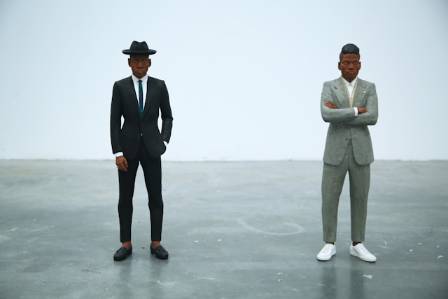
Matching a suit, shirt, and tie doesn’t require memorizing complicated color charts or following rigid fashion rules—instead, it’s about understanding your unique features, balancing contrast, and creating a cohesive look that puts you at the center. The best-dressed men know that clothing should frame their face, enhance their natural attributes, and feel effortless, not forced. Whether you’re dressing for a business meeting, a wedding, or a formal event, the key is to start with your personal contrast (the difference between your hair, skin, and eye color) and build outward, focusing on harmony rather than perfection. This guide breaks down the process step by step, from choosing the right suit to adding the finishing touch with a pocket square, so you can create polished outfits with confidence—no overthinking required.
Understand Your Natural Contrast: The Foundation of Successful Matching
The first and most crucial step in matching a suit, shirt, and tie is recognizing your natural contrast level—this is the difference between the shade of your hair, skin, and eye color, and it dictates which color combinations will flatter you most. High contrast individuals typically have distinct differences: think dark brown or black hair with fair skin and bright blue or green eyes, or deep black skin with light brown hair and amber eyes. These tones pair beautifully with bold, high-contrast outfits, as they mirror the definition in your face and draw attention to your features. Low contrast individuals, on the other hand, have softer transitions between their features—such as blonde or light brown hair with fair skin and gray or hazel eyes, or medium brown skin with dark brown hair and dark brown eyes. For these complexions, harsh color jumps (like a jet-black suit with a stark white shirt and neon tie) can feel overwhelming; instead, softer, blended hues create a more balanced, harmonious look. Remember, the area between your shirt collar and jacket lapels is where most people’s eyes land first—this space should feel clean and cohesive, not disjointed or overly loud, regardless of your contrast level.
Step 1: Choose a Suit That Complements Your Complexion & Contrast
The suit is the foundation of your outfit—it covers the most surface area and sets the tone for your shirt and tie, so it’s essential to pick a shade that works with your skin tone and contrast level. For high contrast individuals, embrace shades that amplify your natural definition: deep navy, charcoal gray, or black for a bold, formal look, or light beige, tan, or pale gray for a softer yet still striking ensemble. These colors create a strong base that pairs seamlessly with crisp, light shirts and bold ties. Low contrast individuals should opt for mid-range tones that avoid extreme light or dark, as these can wash out or overpower their features. Medium gray, soft steel blue, muted olive, or light brown are ideal choices—they offer enough depth to feel polished without creating harsh lines. When selecting a suit, also consider the occasion: darker shades (navy, charcoal) are perfect for business or black-tie events, while lighter tones (beige, light gray) work well for daytime weddings, outdoor gatherings, or business casual settings. For example, a high contrast man might choose a deep navy suit for a client meeting, while a low contrast man could opt for a medium gray suit to keep the look balanced and professional.
Step 2: Pick the Right Shirt—The Bridge Between Suit and Tie
The shirt acts as a transitional piece between your suit and tie, so it should complement both without competing for attention. Solid, neutral-colored shirts are the most versatile options, as they pair with nearly any suit and tie combination: crisp white, light blue, pale pink, or cream are wardrobe staples that work for all contrast levels and occasions. For high contrast individuals, a bright white or light blue shirt creates a sharp, clean base that enhances the boldness of a dark suit and vibrant tie—think a charcoal suit with a white shirt and burgundy tie. Low contrast individuals should lean into softer shades like pale pink, muted blue, or cream, which blend seamlessly with mid-tone suits and avoid creating harsh contrasts—for example, a steel blue suit with a pale pink shirt and dusty rose tie. When it comes to patterns, keep it simple: if your shirt has stripes, checks, or a subtle texture, opt for a solid tie to avoid visual clutter. Conversely, if your shirt is solid, you can experiment with textured or patterned ties to add depth. Remember, the goal is contrast in texture or pattern, not just color— a smooth cotton shirt pairs beautifully with a wool or knit tie, while a textured linen shirt works well with a sleek silk tie. Avoid matching the same pattern in both shirt and tie (stripes on stripes, checks on checks) as this creates confusion and detracts from your overall look.

Step 3: Add the Tie—The Finishing Touch That Ties It All Together
The tie is where you can inject personality into your outfit, but it still needs to harmonize with your suit and shirt. Start by matching the tie width to your jacket lapels—this is a subtle but important detail that elevates your look: narrow lapels (1.5–2 inches) pair with slim ties (2.5–3 inches), while wider lapels (2.5–3 inches) work with standard or wide ties (3–3.5 inches). For high contrast individuals, bold color combinations are encouraged: a navy suit with a white shirt and forest green tie, a charcoal suit with a white shirt and burnt orange patterned tie, or a light beige suit with a white shirt and navy tie. These combinations mirror the contrast in your features and feel confident without being overwhelming. Low contrast individuals should stick to softer, muted tones: a medium gray suit with a light blue shirt and soft gray tie, a light brown suit with a cream shirt and taupe tie, or a steel blue suit with a pale pink shirt and faded blue tie. A tie that echoes your eye color is always a flattering choice—it draws attention to your face and creates a subtle, cohesive connection. If you’re unsure, a solid navy or burgundy tie is a fail-safe option that works with nearly any suit and shirt combination, making it a must-have for any wardrobe.
Fine-Tune Your Look: Tailor the Outfit to Your Unique Features
Once you’ve chosen your suit, shirt, and tie, a few small adjustments can make a big difference in how the outfit flatters you. If your tie has warm tones (like rust, cognac, or gold), repeat that color elsewhere—such as brown or tan shoes, a leather belt, or a watch strap—to create subtle polish and tie the look together. For men with blonde or copper-toned hair, a gold or orange-toned tie helps connect your hair color to the outfit, creating a harmonious flow. If your skin tone leans red or ruddy, avoid intense warm colors (like bright red, orange, or mustard) near your face, as they can amplify redness—opt for cool tones (navy, green, or blue) instead. If your skin tends to look pale, a tie with a hint of red, pink, or peach can warm your complexion and add a healthy glow. Pay attention to the fit of each piece, too: a well-tailored suit, properly fitted shirt (not too baggy or too tight), and a tie that hits just above your belt buckle will make even a simple combination look polished and intentional. Remember, fit is just as important as color—an ill-fitted designer suit will never look as good as a well-tailored affordable one.
The Pocket Square: Complement, Don’t Copy
The pocket square is a stylish accessory that adds depth to your outfit, but it should never match your tie exactly—that’s a surefire way to make your look feel cheap and overdone. Instead, the pocket square should complement the outfit by picking up a secondary color from your tie, shirt, or suit. For example, if you’re wearing a navy suit with a light blue shirt and burgundy tie, a pocket square in a subtle burgundy pattern or light blue linen will tie the look together without being redundant. Vary the texture: if your tie is smooth silk, opt for a matte linen or cotton pocket square; if your tie is textured (like wool or knit), a sleek silk square adds balance. A crisp white linen pocket square is a versatile option that works with nearly any outfit—it holds its fold well throughout the day and adds a touch of classic elegance. When folding your pocket square, keep it natural: a soft, unstructured fold (like the puff fold or casual fold) adds personality and avoids looking stiff or overly planned. The goal is to add a subtle pop of color or texture, not to steal the spotlight from your tie or shirt.
Final Principles: Keep It Cohesive and Focus on Your Face

At the end of the day, the most important rule for matching a suit, shirt, and tie is to keep the look cohesive and ensure your face remains the focal point. You don’t need to follow strict color rules or overcomplicate the process—start with a suit that flatters your complexion and contrast level, add a shirt that acts as a bridge, and finish with a tie that injects personality while harmonizing with the rest. If the outfit feels balanced, comfortable, and like “you,” you’re doing it right. Avoid overcrowding the look with too many patterns, colors, or accessories—simplicity is key to polished style. Remember, the best-dressed men aren’t those who follow every trend or memorize color charts; they’re those who understand their unique features and choose clothes that enhance, rather than compete with, their natural appeal. With these tips, you can create effortless, stylish outfits for any occasion—no overthinking required.