Purchasing a pickup truck involves more than just choosing a vehicle; it's about selecting a versatile companion that aligns with your lifestyle, work requirements, and personal preferences. With numerous models and configurations available, understanding the key aspects of pickup trucks can help you make an informed decision. This guide delves into the essential factors to consider when buying a pickup truck, ensuring you select the one that best fits your needs.
Pickup Truck Categories
Pickup trucks come in various categories, each designed to meet specific needs and preferences. Understanding these categories can help narrow down your choices:
Compact Pickup: Ideal for urban environments, compact pickups like the Ford Maverick and Hyundai Santa Cruz offer maneuverability and efficiency without sacrificing utility.
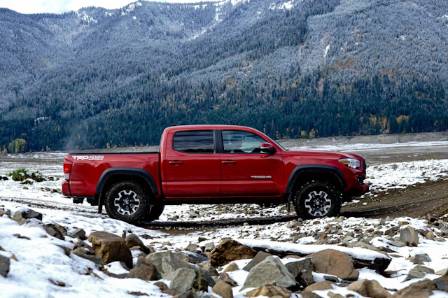
Midsize Pickup: Models such as the Toyota Tacoma and Nissan Frontier provide a balance between size and capability, suitable for both daily driving and light to moderate hauling tasks.
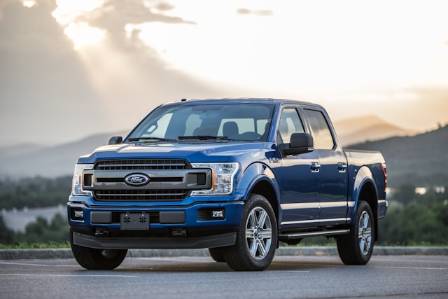
Full-Sized Pickup: The Ford F-150 and Chevrolet Silverado 1500 are popular choices in this category, offering robust performance and ample cargo space for more demanding tasks.
Heavy-Duty Pickup: For those requiring maximum towing and payload capacities, heavy-duty trucks like the Ford F-250 and RAM 2500 are designed to handle the toughest jobs.
Cab Configurations
The cab configuration determines the amount of passenger space and the number of doors:
Regular Cab: Features a single row of seating with two doors, offering a straightforward design and maximum bed length.
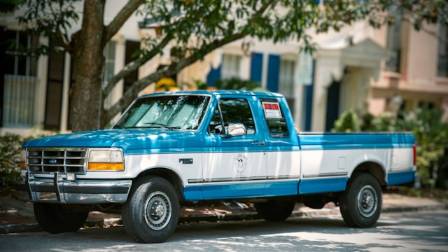
Extended Cab: Provides additional rear seating with smaller rear doors, balancing passenger space and cargo capacity.
Crew Cab: Offers full-size rear doors and spacious rear seating, ideal for families or those needing extra passenger room.
Cargo Bed Sizes
The size of the cargo bed affects the truck's hauling capacity:
Short Bed: Typically around 5.5 feet, suitable for everyday use and lighter hauling.
Standard Bed: Measures approximately 6.5 feet, providing a balance between cargo space and maneuverability.
Long Bed: At about 8 feet, ideal for transporting larger items or equipment.
Towing and Payload Capacities
Understanding a truck's towing and payload capacities is crucial for ensuring it meets your hauling needs:
Towing Capacity: Refers to the maximum weight a truck can tow, ranging from 3,500 lbs in light-duty trucks to over 35,000 lbs in heavy-duty models.
Payload Capacity: Indicates the maximum weight a truck can carry in its bed, varying based on the truck's design and configuration.
Engine Options and Performance
Engine choices significantly impact a truck's performance:
Gasoline Engines: Common in light-duty trucks, offering a balance between power and fuel efficiency.
Diesel Engines: Provide higher torque and better fuel economy, making them suitable for heavy-duty applications.
Hybrid Engines: Combine gasoline and electric power for improved fuel efficiency and reduced emissions.
Drivetrain Options
The drivetrain affects a truck's traction and handling:
Rear-Wheel Drive (RWD): Offers better fuel efficiency and is suitable for dry conditions.
Four-Wheel Drive (4WD): Provides enhanced traction, ideal for off-road conditions and challenging terrains.
All-Wheel Drive (AWD): Delivers power to all wheels automatically, improving stability in various driving conditions.
Interior Features and Technology
Modern pickup trucks come equipped with a range of interior features and technologies:
Infotainment Systems: Touchscreen displays with smartphone integration, navigation, and voice control.
Comfort Features: Heated and ventilated seats, dual-zone climate control, and premium audio systems.
Safety Features: Advanced driver-assistance systems like lane-keeping assist, adaptive cruise control, and automatic emergency braking.
Fuel Economy
Fuel efficiency varies among pickup trucks:
Light-Duty Trucks: Typically achieve 20-25 mpg on highways.
Heavy-Duty Trucks: Range from 15-20 mpg, depending on engine and load.
Hybrid Models: Can offer up to 30 mpg or more, depending on driving conditions.
Pricing and Value
Pricing varies based on brand, model, and features:
Base Models: Starting prices for light-duty trucks can range from $25,000 to $35,000.
Fully Loaded Models: Top-tier trims with advanced features can exceed $60,000.
Used Trucks: Offer significant savings, with prices varying based on age, mileage, and condition.
Popular Pickup Truck Models
Considering popular models can provide insights into reliability and performance:
Ford F-150: Known for its versatility and advanced technology.
Chevrolet Silverado 1500: Offers a range of engine options and configurations.
RAM 1500: Praised for its comfortable ride and upscale interior.
Toyota Tacoma: Renowned for its off-road capability and reliability.
Nissan Frontier: Provides a balance between performance and affordability.
Selecting the right pickup truck involves evaluating your specific needs, preferences, and budget. By considering factors such as truck categories, cab configurations, towing capacities, and interior features, you can make an informed decision that aligns with your requirements. Whether you need a truck for daily commuting, off-road adventures, or heavy-duty tasks, understanding these aspects will help you choose the perfect pickup truck for your lifestyle.