Once seen as a rebellious activity, skateboarding has grown into a mainstream sport embraced around the world. Whether you're commuting, performing tricks at the skatepark, or simply gliding through your neighborhood, there's a skateboard designed to suit every purpose.
However, not all boards are built the same. In fact, there are several distinct types, each catering to a different riding style or skill level. Below is a guide to seven popular skateboard styles and the advantages they offer.
Longboard
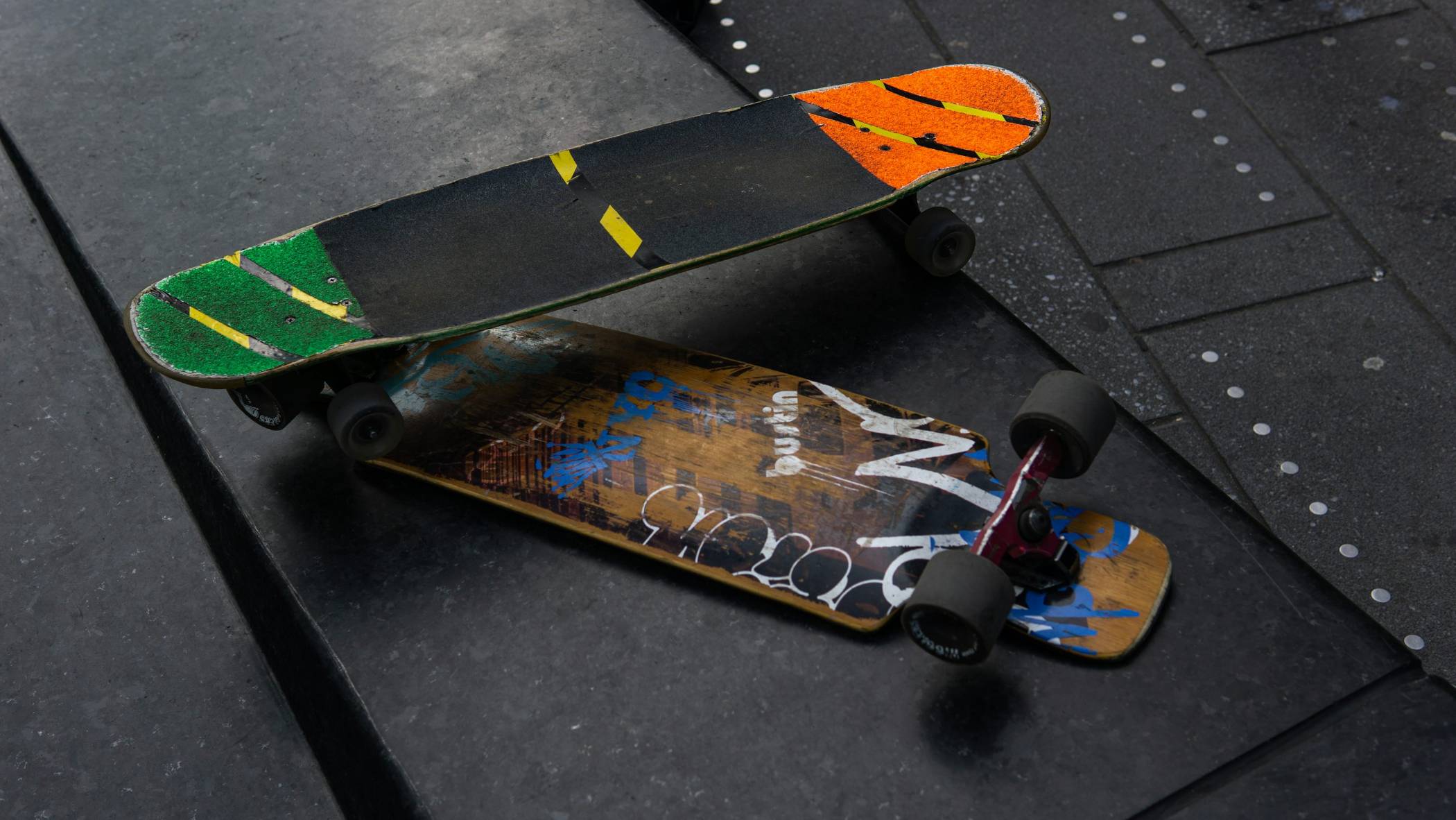
Recognized for their extended decks (usually 33 inches or longer), longboards are known for their smooth rides and enhanced balance. They’re an excellent choice for beginners due to their stability and easy handling, especially on uneven pavement.
These boards feature larger, softer wheels and wider trucks, making them ideal for downhill rides, wide turns, and casual cruising. The main drawback is their bulk—they're heavier, less portable, and not ideal for tricks.
Subtypes of Longboards:
-
Pintail: This shape tapers at both ends, helping to prevent wheelbite during sharp turns. It's a great all-around option, combining ease of use with a fluid riding experience.
-
Twin Tip: These are symmetrical with cutouts near the wheels, reducing the risk of wheel contact. They often have lowered decks for added stability and better control at higher speeds.
-
Cruiser Longboards: These resemble traditional skateboards but with longboard features like soft wheels and spacious decks. They're perfect for relaxed rides and short commutes, offering a comfortable balance between maneuverability and control.
Cruiser Skateboard
Cruisers are compact, lightweight boards built for smooth urban travel. They range from about 22 to 35 inches in length and often come with a tail that allows for simple tricks or curbs.
Thanks to their shorter decks and nimble design, cruisers handle tight corners well and are easier to carry. Although they’re not the most stable option for beginners, they become a favorite for many once basic riding skills are mastered.
Mini Cruiser

Essentially a smaller version of the cruiser, the mini cruiser is ultra-portable and great for casual riders on the go. They're light enough to fit into a backpack or carry by hand.
However, their small wheels and narrow decks reduce stability, especially for those just starting out. Once you get used to the ride, though, they’re quick and fun to navigate in tight spaces.
Double Kick (Popsicle Board)
These are the most recognizable skateboards, featuring symmetrical noses and tails with curved ends, designed for executing tricks. They're typically fitted with hard wheels and narrower decks, making them ideal for park skating, grinding rails, and mastering technical maneuvers.
While not the best for long rides or bumpy roads, they’re essential for anyone serious about street or trick skating.
Carver Skateboard
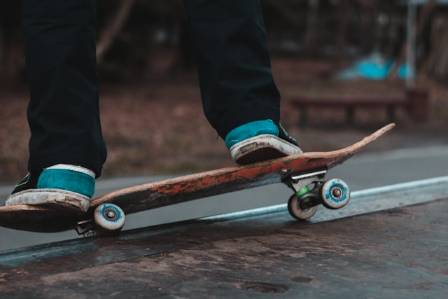
Inspired by the fluid motion of surfing and snowboarding, carver boards are built for deep, flowing turns. Their front trucks are designed to pivot more sharply, allowing riders to generate momentum without ever touching the ground.
These boards are less stable and not ideal for speed, but they’re perfect for practicing carving techniques or riding in bowls. Surfers often use them to replicate wave riding on land.
Electric Skateboard
Electric boards add a tech twist to traditional skating. Controlled by a handheld remote, these boards can reach impressive speeds and cover long distances without foot power.
They’re perfect for commuting or simply enjoying a fast, effortless ride. That said, it’s best to start with a standard skateboard to learn the fundamentals before transitioning to electric models.
Skateboarding continues to evolve, offering more specialized options for different preferences and environments. Whether you're coasting down a hill on a longboard or nailing flips on a double kick, there’s a skateboard type that fits your style and goals. Choose the one that suits your needs best—and enjoy the ride.