Southern Greenland
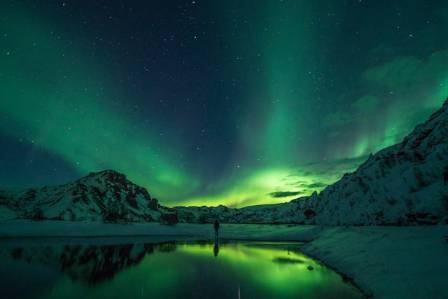
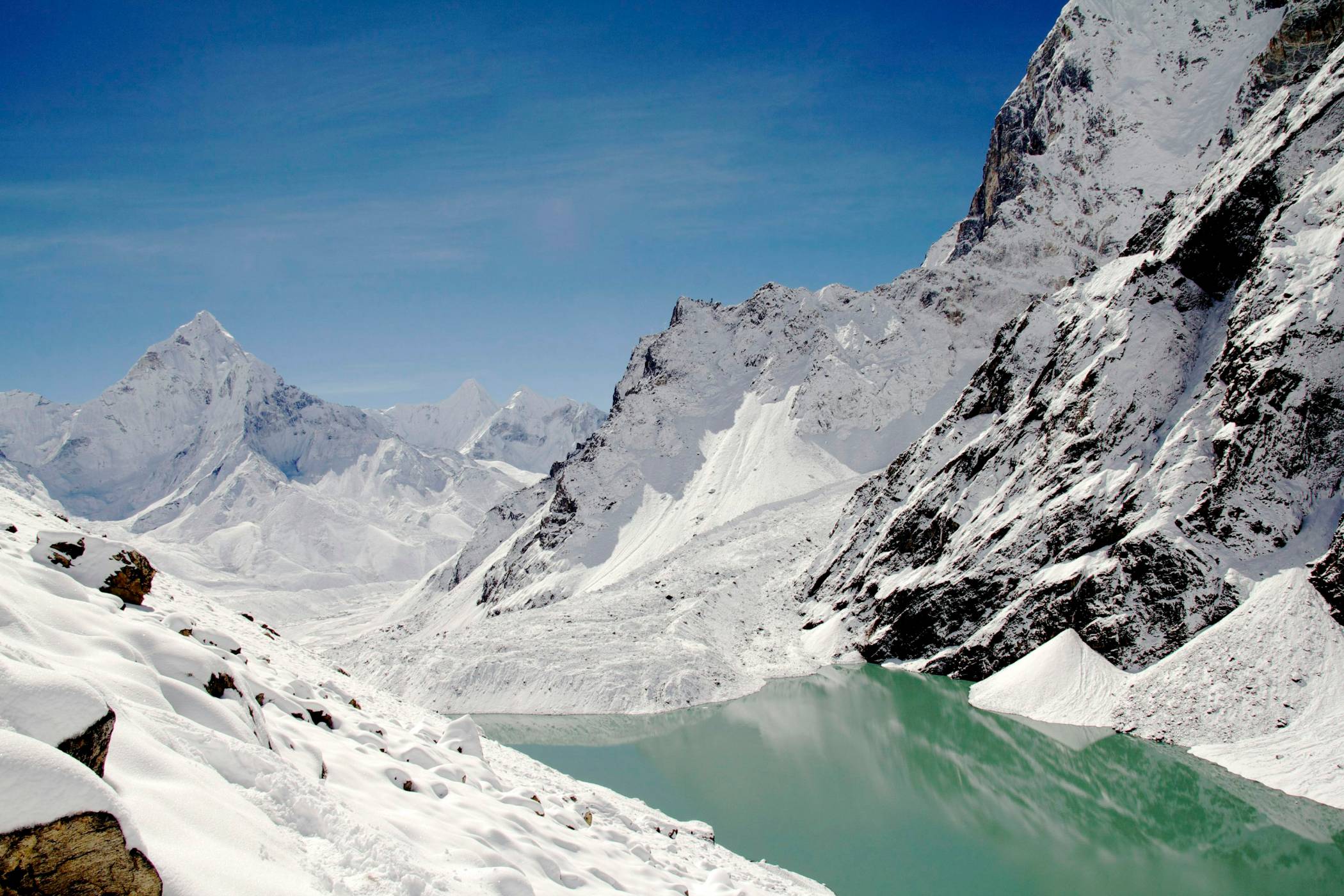
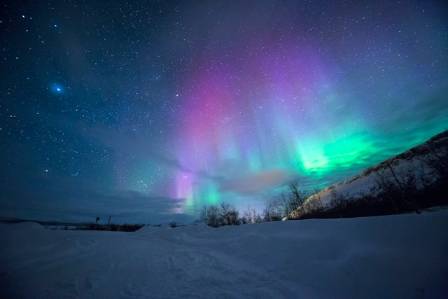
Situated inside the auroral oval, southern Greenland has almost no light pollution. Its jagged mountain peaks and fjords filled with icebergs create stunning outlines against the aurora’s glow. The optimal period to catch the dancing lights here runs from late August to April. While the aurora technically occurs year-round, summer’s midnight sun—common in Greenland and the broader Arctic region—makes them invisible during those months. Travelers can fly into Narsarsuaq Airport via Reykjavík, Iceland, or Copenhagen, Denmark, then make their way to Qaqortoq, the area’s largest town (with a population of 3,000). Here, Pink Peak Tours—operated by two Inuit sisters—offers guided aurora-chasing trips. Before returning to a farmstay like Illunnguujuk (starting at $53) for the night, I suggest hiking the marked trails and gravel roads up into the mountains, where flocks of sheep roam, to soak in the vibrant night skies.
Lofoten Islands, Norway
Norway’s Lofoten Islands—with their fjords carved by ice and sharp, rocky peaks—also lie right in the heart of the auroral oval. This archipelago is a hit with summer visitors for hiking, climbing, and fishing, but the dazzling auroras light up the skies during the off-season, after the crowds have left. For a one-of-a-kind Lofoten experience, try hunting for the aurora on horseback along a sandy (or snow-dusted) beach with Hov Gård, sail beneath the lights with Pukka Travels, or book a night in one of the historic Eliassen Rorbuer fishing cottages (starting at $154). These cottages pride themselves on offering views of the green auroras shimmering over the sea—something they say happens more than 180 days a year.
Northwest Territories, Canada
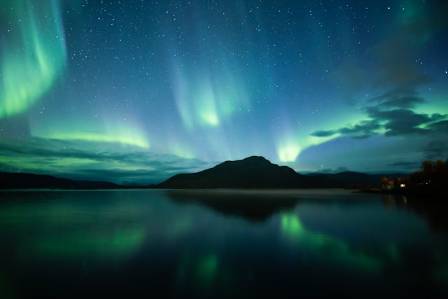
According to the Northwest Territories’ tourism board, visitors can see the northern lights here up to 240 nights a year, provided the weather cooperates. The region’s landscape—tundra, spruce and birch forests, plus Canada’s biggest reindeer herd—serves as a breathtaking backdrop for the aurora. North of 60 Aurora Adventures, an Indigenous-owned, family-run business based in Yellowknife, lets you watch the show while dogsledding. Alternatively, head to nearby Aurora Village for an evening tour that includes cultural storytelling and a stay in a cozy lakeside tepee (hotel packages start at $527 for two nights). For an extra special experience, travel above the Arctic Circle to Inuvik for a four-day trip with Finisterra Travel. This itinerary includes reindeer watching, snowmobiling, and aurora chasing, with prices starting at $4,395.
Iceland
I often recommend Iceland to first-time aurora chasers. It’s easy to reach, simple to get around, and offers plenty of daytime activities. What’s more, thanks to very little light pollution, you can spot the aurora’s streaks almost anywhere—I’ve seen them above waterfalls, beaches, and even over Reykjavík, the capital. But my favorite spot to view the aurora in Iceland is by a hot spring. The country is dotted with naturally warm pools (called “hot pots”). I particularly like Miðhraun Lava Resort (starting at $283), a collection of cabins on the Snaefellsnes Peninsula with a central hot pool. The peninsula is also home to Kirkjufell, a small mountain shaped like a wizard’s hat—hiking it is challenging but well worth the effort. Another top pick is Heydalur guesthouse (starting at $110) in the wild Westfjords. Here, you can soak in a hot spring under swirling auroras or watch the lights while being surrounded by the guesthouse’s resident horses.
Fairbanks, Alaska
For those based in the U.S., the boreal forest around Fairbanks is hard to beat for aurora hunting, as it offers excellent chances to see the lights. Explore Fairbanks reports that anyone who looks for the aurora for at least three nights during the August-to-April season has a 90% chance of spotting it. Local company First Alaska Tours offers a dinner and dogsledding experience that includes aurora viewing. Or, drive two hours south to go dogsledding in the shadow of Denali with Denali Dog Sled. For a snowshoeing adventure under the lights, Aurora Bear—an outfitter in Fairbanks—runs trips along six miles of trails north of the town. An hour east of Fairbanks, Chena Hot Springs Resort is a popular choice for aurora hunting: you can soak in a geothermal pool while colorful lights dance overhead (prices start at $180).
Abisko National Park, Swedish Lapland
A unique weather pattern makes Abisko National Park one of the world’s best places to hunt for the northern lights. While the aurora is active most nights across the auroral oval, weather—especially cloud cover—decides whether chasers can see it. That’s where Abisko’s “blue hole” comes in: as the BBC explains, a section of sky above the park stays clear no matter the surrounding conditions, thanks to wind direction and altitude. To make the most of this meteorological wonder, visit the park’s Aurora Sky Station—a viewing center perched at 3,000 feet, reachable via a 1.2-mile chairlift. Come for the lights, but stay for the station’s multi-course Swedish dinner: its glass ceilings let you savor Lapland’s flavors without missing a moment of the night-sky display. The best time to chase auroras here is from mid-November to mid-March.
Northern Minnesota
While most top aurora destinations sit inside the auroral oval, you don’t have to travel to the far corners of the globe—or even outside the contiguous U.S.—to see them. In fact, many national parks offer great views. The auroral oval’s path bends in favor of Great Lakes getaways like northern Minnesota, but to spot the aurora this far south, you’ll need three things: a strong solar storm, minimal light pollution, and an unobstructed view of the northern horizon (such as a lake)—since the distance will make the lights appear closer to the horizon. I suggest checking out Voyageurs National Park (which is full of lakes) or the wild Boundary Waters Canoe Area Wilderness—both recognized by DarkSky International as exceptional dark-sky locations. To track aurora activity and connect with local experts, join the Facebook group Great Lakes Aurora Hunters, where members regularly share updates about the northern lights.