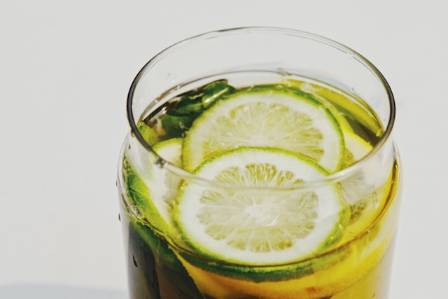
Savoring a vibrant, sweet cup of fruit tea is a delightful experience, yet those new to the world of infusions may find the variety of options and preparation methods somewhat overwhelming. This guide clarifies the distinctions between various fruit-based beverages, offers advice on the best ingredients to select, and explains the most effective ways to brew them. While fruit teas are frequently grouped with herbal infusions by many retailers, this specific resource focuses exclusively on blends derived from the fruit itself rather than roots, seeds, or stems.
Understanding the Nature of Fruit Infusions
It is essential to distinguish between a fruit tea and a standard fruit juice. A fruit tea is created by submerging segments of fruit—including the skin, flesh, or seeds—in water, allowing the flavors to permeate the liquid before the solids are removed. In contrast, fruit juice is produced by mechanically extracting liquid directly from the fruit, which is then often diluted.
Commercially available fruit teas, whether in loose-leaf form or tea bags, typically utilize dried fruit pieces to ensure a longer shelf life. These are often complex blends that may incorporate complementary herbs, spices, or floral elements. However, many enthusiasts also enjoy creating customized infusions at home using fresh, seasonal produce.
Techniques for Brewing Fruit Tea
One of the primary advantages of fruit tea is its versatility during the preparation process. Unlike traditional black or green teas, which require specific temperatures and precise timing to avoid bitterness, fruit infusions are much more forgiving. They can be steeped for extended periods and enjoyed at any temperature, from boiling hot to chilled over ice.
For those using pre-packaged tea bags, simply place one in a cup, add water, and steep according to the package directions or personal preference. If you are using loose-leaf blends, an infuser or a fillable paper filter is recommended; ensure each scoop contains a balanced mix of the various ingredients. For a fresh fruit preparation, chop the fruit into small pieces, steep them in a teapot with hot water until the desired strength is achieved, and then pour the liquid through a strainer to remove the pulp. While honey or sugar can be added to enhance sweetness, milk is generally avoided in fruit-based infusions.

Top Eight Fruits for Exceptional Infusions
Certain fruits are particularly well-suited for water-based infusions, either on their own or when combined with traditional tea leaves.
-
Lemon: A foundational ingredient for many blends, lemon provides a zesty, refreshing quality. Slices of fresh lemon are perfect for iced drinks, while dried rinds add a concentrated, slightly astringent note to hot tea.
-
Apple: Frequently used to add body and a rounded sweetness to lighter blends, apple pieces are a common "hidden" ingredient in many commercial teas. Turkish-style apple powders are also a popular way to enjoy this flavor.
-
Lime: As a tropical alternative to lemon, lime offers a bright, exotic profile. It pairs exceptionally well with Earl Grey or as a chilled beverage sweetened with honey.
-
Summer Berries: Raspberries, strawberries, and currants provide a tart, vibrant sweetness. Because fresh berries tend to break apart in hot water, it is best to use a fine filter to ensure a clear liquid.
-
Orange: Infusing orange flesh or peel results in a fragrant, subtly floral drink. It is less intense than orange juice and serves as an excellent sweetener that does not overwhelm other ingredients.
-
Cranberry: Fresh cranberries are quite tart and can be somewhat drying on the palate, which makes them an ideal candidate for tea. They are particularly festive when brewed alongside orange slices and rosemary.
-
Elderberry: Often found in the wild or purchased dried, elderberries produce a tart tea that is traditionally valued during the colder months. Due to its sharpness, this infusion is usually enjoyed with a generous amount of honey.
-
Peach: For the best results with peach, dried chunks are preferable to fresh slices. Fresh peach can become overly soft and create a thick consistency, whereas dried peach results in a smooth, candy-like sweetness.
Common Inquiries Regarding Fruit Tea
Many people wonder if these beverages are a healthy choice. Infusions made from genuine fresh or dried fruit are excellent for rehydration and can provide a modest amount of natural energy and nutrients, provided they do not contain artificial additives or excessive added sugars.
In terms of terminology, these drinks are technically referred to as "tisanes" or "infusions" because they do not originate from the Camellia sinensis plant. While they are often marketed as caffeine-free alternatives to traditional tea, it is always wise to check the label for any blended black or green tea leaves if you are sensitive to caffeine. Regarding weight management, replacing high-calorie sodas with unsweetened fruit tea can reduce overall caloric intake, though the ingredients themselves are not primary drivers of weight loss.