A Rapid Transformation in Everyday Tech
Two years ago, working with artificial intelligence was primarily the domain of specialized engineers at major tech firms. Today, AI has become part of the daily toolkit for millions across the globe. The transformation has been swift and dramatic, changing how people create, work, and interact with technology.
In mid-2022, one of the first steps into this new frontier began with a simple interaction: asking a large language model what technology should most concern humanity. That exchange sparked deeper curiosity and led to further exploration of what was then loosely called "no-code AI"—what we now widely refer to as Generative AI.
A Glimpse into Visual AI Progress
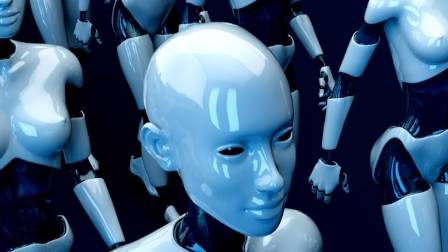
To track how quickly this space is evolving, let's look at one example that’s been used consistently: a text prompt describing a Renaissance-style scene of people shocked by what they see on a computer. Two years ago, an early image model produced something basic and blurry—but nonetheless impressive for its time.
A year later, using a different model, the same prompt yielded an image with significantly more detail and artistic coherence. And now, that scene can be animated with realistic motion using video-generation tools. We’re on the cusp of fully dynamic text-to-video generation, suggesting that what once took teams of visual effects artists might soon be accomplished by a few lines of text.
From Text to Books: The Experiment in Long-Form AI Writing
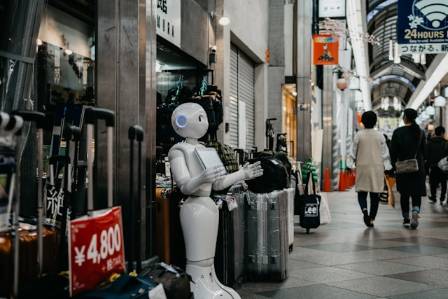
Shortly after diving into AI-generated images, a new challenge was taken on: could an AI write a full book? The answer, at first, was clear—long-form storytelling remained out of reach. A 50,000-word manuscript demanded significant human intervention. The early process involved carefully limiting word outputs, assigning specific styles and genres, and managing structure manually.
The first attempt at this yielded a book consisting of dozens of short stories stitched together from prompts and formats selected via spreadsheets. While the result lacked polish, the process revealed the potential. At that time, creating the book took around twenty hours.
Fast forward to now: a 12,000-word story can be generated in about ten minutes. While the writing still feels rough around the edges, it’s a massive leap in productivity. It’s not that these early drafts are good—they aren’t—but AI tools are now capable of doing in minutes what once took days. Editing, restructuring, and refining—previously human-only tasks—are increasingly being handled by the same tools that produce the first drafts.
Why Quality Still Matters More Than Quantity
While the technical progress is undeniable, there’s still room for healthy skepticism. AI systems are producing more content faster than ever, but quantity doesn’t always mean quality. The first draft problem remains. Just as a human writer’s first attempt rarely shines, AI needs refinement to reach its full potential. But now, an AI can act as writer, editor, critic, and reader—sharpening its own drafts in a feedback loop that can compress a year’s work into minutes.
Caution Amid Acceleration
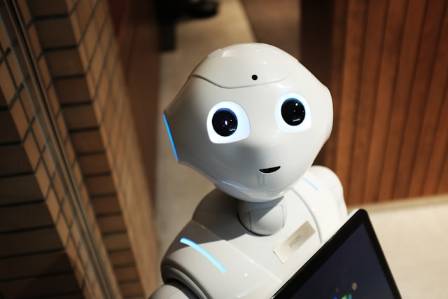
Despite the progress, it’s worth asking if anything has gotten worse. One measure is how models respond to hypothetical or absurd scenarios—such as whether an average person could defeat a legendary athlete in a fight. The answers, regardless of model, remain cautious and long-winded, focused on safety and probability rather than humor or creativity.
This shift may suggest that modern models are becoming more measured and restrained in their outputs—safer, but sometimes less engaging or entertaining. It raises questions about whether today's AI is more sophisticated or just more polished for public consumption.
Looking Ahead
In just 24 months, the landscape of artificial intelligence has transformed. Tools that once amazed with basic image creation now animate complex scenes. Writing assistants have gone from clumsy scribes to near-instant authors. While there’s still a way to go in mastering long-form storytelling or nuanced logic, the trajectory is clear: AI isn’t just getting better—it’s getting faster, more versatile, and more deeply integrated into everyday life.
The pace of progress makes it easy to lose perspective. But taking a moment to reflect shows just how much has changed—and how much more is possible in the years ahead.