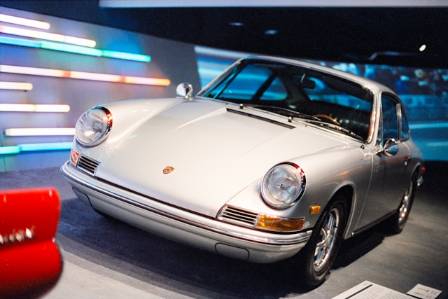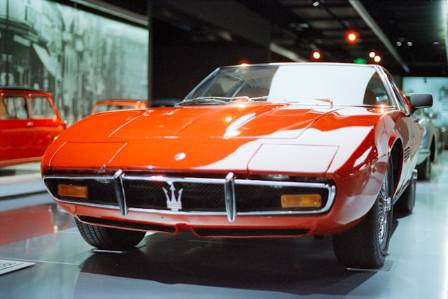
Do you enjoy the appearance and character of older automobiles? Vintage cars have a unique appeal that modern vehicles often can’t replicate. They carry personality, history, and craftsmanship that make them truly special.
If you’ve ever considered owning a classic sports car, this guide will help you understand their appeal, highlight some of the most admired models, and explain what to consider before making a purchase.
Why Vintage Sports Cars Are So Appealing
Vintage sports cars attract enthusiasts for many reasons beyond simple transportation. They represent emotion, design, and heritage.
Distinct Design and Handcrafted Quality
Unlike many modern cars that follow similar design trends, classic sports cars stand out with bold, individual styling. Many were built with a higher degree of manual craftsmanship, resulting in intricate details, elegant lines, and materials that feel authentic and refined. Their visual identity is often what first captures attention.
A Link to Automotive History
Each classic vehicle reflects the era in which it was created. Owning or driving one is like stepping into a different decade—whether it’s the culture of the 1950s, 60s, or 70s. These cars allow drivers to experience a tangible connection to automotive history and the lifestyle of the past.
Engaging Driving Experience
Modern vehicles prioritize comfort and electronic assistance, while vintage sports cars offer a more direct and mechanical feel. Steering is more responsive, engine sounds are more present, and road feedback is stronger. This creates a raw and immersive driving experience that many enthusiasts find exciting and rewarding.
Scarcity and Long-Term Value
Since production numbers were limited and many vehicles have been lost over time, surviving models are rare. This scarcity adds to their desirability and can also increase their value. For collectors, they represent both passion and potential long-term investment.
Notable Vintage Sports Cars Worth Knowing
There are countless classic sports cars, but a few models consistently stand out for their design, performance, and legacy.
Jaguar E-Type
Often celebrated for its beauty, this British icon is known for its long bonnet and elegant proportions. It remains one of the most recognizable and admired sports cars in automotive history.
Chevrolet Corvette
A symbol of American performance, especially the 1960s “Sting Ray” models. With strong engines and bold styling, it represents classic muscle and remains highly collectible.
Porsche 911
A legendary model with a distinctive silhouette that has evolved gradually over time. It balances practicality and performance, making it one of the most usable classic sports cars today.
Ford Mustang
An American icon associated with power and freedom. Early versions, particularly high-performance variants, are famous for their V8 engines and strong cultural impact.
Triumph TR6
A classic British roadster offering a straightforward and enjoyable driving feel. Its simple design and mechanical character make it popular among traditional sports car fans.
Datsun 240Z
A Japanese classic inspired by European sports cars. It gained popularity for combining performance, reliability, and affordability, making it a strong entry point into vintage ownership.
Key Things to Consider Before Buying
Purchasing a vintage sports car is very different from buying a modern vehicle. Careful evaluation is essential.
True Cost of Ownership
The purchase price is only part of the equation. Additional expenses may include:
Restoration work: Older cars may require mechanical or cosmetic repairs
Ongoing maintenance: Specialized care and hard-to-find parts can increase costs
Insurance: Classic car coverage differs from standard policies
Vehicle Condition Matters Most
The overall condition of the car is critical.
Rust issues: Structural rust can be expensive to repair
Mechanical health: Engine performance, braking, and steering should be carefully checked
Documentation: Service history and ownership records help verify authenticity and value
Research Before Committing
Understanding the specific model is extremely important. Learn about common issues, maintenance needs, and ownership experiences. Speaking with current owners or joining enthusiast communities can provide valuable insight.
Where to Look for Vintage Sports Cars
Finding the right car requires exploring different sources.
Specialist Dealers
Dealers who focus on classic cars often provide curated selections and professional knowledge, making the buying process safer and more informed.
Online Marketplaces and Auctions
Platforms dedicated to classic vehicles offer access to global listings, allowing buyers to compare prices and conditions across many options.
Car Shows and Events
Classic car gatherings are excellent opportunities to see vehicles in person, talk to owners, and sometimes even find cars for sale directly.
What to Expect as a Buyer
Patience Is Essential
Finding the right vehicle may take time. Rushing often leads to regret, so careful selection is important.
Always Inspect and Test Drive
Driving the car reveals a lot about its condition. A professional inspection by a specialist is strongly recommended before purchasing.
Ownership Is a Passion
A vintage sports car is more than transportation—it is a hobby and lifestyle. Maintenance, restoration, and community involvement are part of the experience.
Final Thoughts
Owning a vintage sports car is a meaningful and rewarding experience. These vehicles represent history, artistry, and emotion all in one package. With proper research, realistic budgeting, and patience, you can find a classic car that brings enjoyment for many years. Ultimately, it’s not just about owning a vehicle—it’s about embracing a unique driving experience and preserving a piece of automotive heritage.